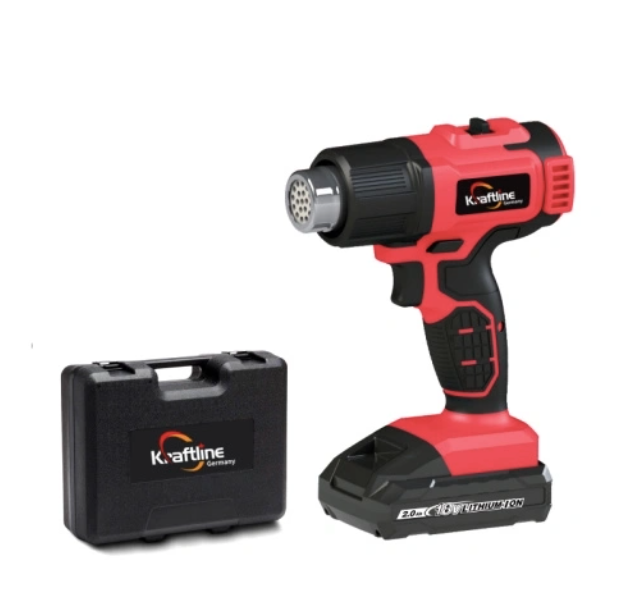
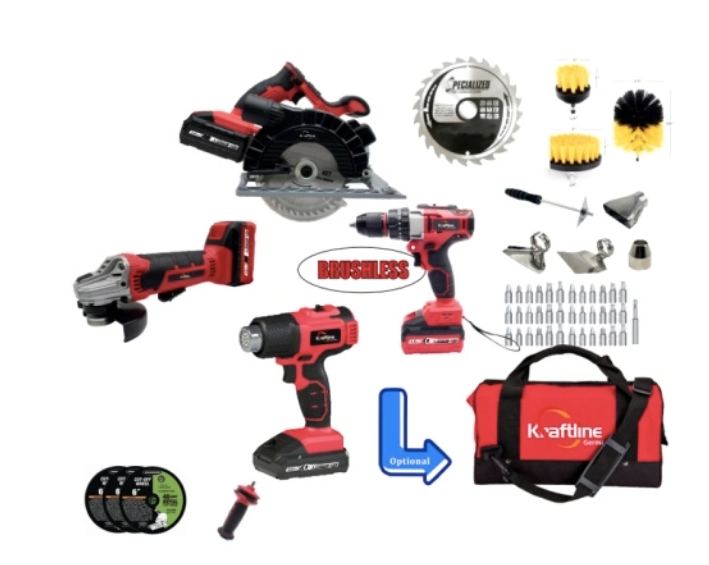
Power tools are essential devices that make construction, woodworking, metalworking, and DIY projects faster, easier, and more precise. If you’ve ever wondered how power tools work, what types are available, or how to choose the right one, this guide is for you. From corded drills to cordless lithium-ion tools, and from angle grinders to impact drivers, understanding power tools helps you work smarter, not harder. We’ll explore their functions, applications, and key safety tips to help you get the most from your tools.
Overview of Power Tools
Power tools are devices powered by an external energy source such as electricity, batteries, or compressed air. They make tasks like drilling, cutting, sanding, and fastening faster and easier. Unlike hand tools, they reduce manual effort and can handle tougher jobs.
What is a Power Tool?
A power tool is any machine that amplifies human effort using an external power source. It often includes a motor or pneumatic system that drives a rotating or reciprocating mechanism. Examples include drills, saws, grinders, sanders, and impact drivers. They are used across homes, workshops, construction sites, and industrial facilities.
Difference Between Power Tools and Hand Tools
Hand tools rely solely on human strength. Power tools, in contrast, deliver more force, precision, and speed. Consider a drill: manually it takes effort and time; electrically, it pierces through wood or metal in seconds.
| Feature | Hand Tools | Power Tools |
| Power Source | Human effort | Electricity, battery, air, fuel |
| Speed | Slow | Fast |
| Precision | Moderate | High |
| Effort | High | Low |
| Typical Tasks | Light repairs, crafting | Construction, metalworking, woodworking |
History and Evolution of Power Tools
The journey of power tools began in the mid-20th century with simple corded drills. They revolutionized workshops and homes.
Early Era: Factories used belt-driven machines powered by steam or water.
1920s–1950s: Lightweight electric drills and grinders appeared, making tools portable.
Modern Era: Lithium-ion batteries and brushless motors replaced older tech, offering longer runtime, higher efficiency, and lower maintenance.
Future Trends: Smart tools with IoT features allow monitoring, maintenance alerts, and performance optimization.

How Do Power Tools Work?
Power tools transform energy into mechanical motion to perform work efficiently. They rely on different power sources, depending on the design and intended use. Understanding how they work helps us choose the right tool for each task.
Power Sources Explained
Power tools can be powered in several ways, each offering unique benefits and limitations:
| Power Source | Advantages | Limitations | Typical Tools |
| Electric Corded | Continuous power, high torque | Limited by cord | Drills, saws, grinders |
| Electric Battery | Portable, lightweight | Limited runtime | Impact drivers, cordless saws |
| Pneumatic | High power-to-weight ratio | Needs compressor, noisy | Nailers, wrenches, spray guns |
| Combustion | Powerful, outdoors | Loud, emissions | Chainsaws, generators |
| Steam/Wind/Water | Renewable, historical | Rare, bulky | Vintage lathes, belt-driven machines |
Key Components of Power Tools
Power tools share several critical components that make them function effectively:
Motor: Converts energy into rotational or linear motion. Brushless motors last longer and run cooler.
Trigger: Controls power delivery. Some tools have variable speed triggers for precision.
Gears: Transmit motion, often increasing torque or controlling speed.
Safety Guards: Protect users from moving parts, sparks, and debris. Always check guards before use.
Typical Applications of Power Tools
Construction & Renovation
In construction and renovation, power tools make tasks faster and more precise. Drills, circular saws, impact drivers, and angle grinders are common on-site. They help create wall openings, cut drywall, finish joints, and handle metal framing efficiently. Today, over 60% of professional tradespeople prefer cordless brushless tools because they reduce maintenance, vibration, and fatigue during long shifts.
Woodworking & Carpentry
Woodworking relies heavily on table saws, jigsaws, orbital sanders, and band saws. These tools allow precision cuts, joinery, shaping curves, and fine edge finishing. Portable table saws or bench-top models bring flexibility to workshops or construction sites. Skilled users can achieve accuracy within 0.1 mm, making these tools essential for detailed carpentry work.
Automotive & Metalwork
In automotive repair and metalworking, pneumatic wrenches, angle grinders, and cordless torque tools are frequently used. They make removing wheel nuts, cutting metal, preparing surfaces, and supporting welding much faster than manual tools. Pneumatic tools still dominate for high-frequency tasks because their power-to-weight ratio allows heavy-duty work without excessive fatigue.
Landscaping & Outdoor Work
For landscaping and outdoor maintenance, lithium-ion chainsaws, hedge trimmers, and string trimmers are widely used. They help prune trees, trim grass, and clear branches efficiently. Battery-powered models reduce operator fatigue, vibration, and emissions compared to petrol engines, making them safer and more eco-friendly for extended outdoor tasks.
| Industry | Common Tools | Typical Tasks | Key Benefits |
| Construction | Drills, saws, grinders | Cutting, drilling, fastening | Faster work, precise results, less fatigue |
| Woodworking | Jigsaws, sanders, table saws | Cutting, shaping, finishing | High accuracy, repeatable results |
| Automotive | Pneumatic wrenches, grinders | Fastening, metal shaping | Powerful, efficient, reliable |
| Landscaping | Chainsaws, trimmers | Pruning, trimming, clearing | Portable, low emissions, reduced fatigue |
How to Choose the Right Power Tool
Selecting the right power tool can save time, reduce effort, and improve results. We need to consider several key factors before making a choice.
Power Source
Corded tools provide continuous power, which makes them ideal for heavy-duty or long-duration tasks. Cordless tools offer mobility and freedom but rely on battery life, so planning charging cycles is important. Pneumatic tools are lightweight, powerful, and perfect for repetitive tasks, often preferred in automotive repair and assembly lines.
Battery Voltage
For cordless tools, voltage affects torque and overall performance. DIY models usually range from 12 to 18 volts, which works for occasional drilling or light cutting. Professional-grade tools often use 18 to 36 volts, providing more power for industrial applications. Choosing batteries compatible across multiple tools can reduce future upgrade costs.
Tool Type and Function
It’s essential to match the tool to the job. Drills are best for boring holes and fastening screws, circular saws provide accurate straight cuts, and sanders or polishers give smooth finishes. Using the right tool prevents mistakes, improves efficiency, and ensures safety during operation.
Motor Type: Brushed vs. Brushless
Brushless motors run cooler, last longer, and require less maintenance, making them suitable for professional use. Brushed motors are cheaper initially but wear faster under frequent or heavy use. Considering motor type can save money and extend tool life in the long run.
DIY vs. Professional-Grade Tools
DIY tools are sufficient for light home projects. They usually have lower power, simpler construction, basic sealing, and one-year warranties. Professional-grade tools deliver higher output, durable construction, water/dust resistance, and longer warranties. They are designed for daily, long-duration use and heavier workloads.

Maintenance and Care of Power Tools
Proper maintenance keeps power tools efficient, safe, and long-lasting. Regular attention prevents unexpected breakdowns and ensures consistent performance.
Cleaning After Each Use
After every task, remove dust, debris, and material residues from your tools. Use a soft brush or compressed air to reach tight spots. Wipe external surfaces with a clean cloth. Keeping tools free of grime reduces wear on motors and moving parts and prevents overheating.
Lubrication and Greasing of Moving Parts
Moving components such as gears, shafts, and bearings need regular lubrication. Add oil or grease according to manufacturer instructions. Lubricated parts reduce friction, prevent rust, and help tools operate smoothly for longer periods.
Battery Care for Cordless Tools
For cordless tools, battery management is crucial. Charge batteries fully before first use and avoid deep discharges. Store batteries at 40–60% charge in a cool, dry place. Avoid extreme temperatures, which shorten battery life. Track charge cycles to know when replacement is needed.
Brush and Bearing Replacement
Carbon brushes wear down over time and can affect motor efficiency. Inspect brushes regularly and replace them when they reach about half their original length or start sparking. Bearings should be checked for noise or rough movement. Early replacement prevents damage to the motor and other components.
Annual Inspections and Servicing
Once a year, inspect tools thoroughly. Check electrical wiring, seals, and safety mechanisms. Disassemble parts if needed or use authorized service centers for a detailed checkup. This helps detect hidden issues before they cause failure or accidents.
Tips for Prolonging Tool Lifespan
Always store tools in a dry, secure area.
Avoid dropping or exposing them to harsh conditions.
Use tools according to their intended purpose.
Rotate or alternate tools in heavy workloads to prevent overheating.
Keep accessories sharp and in good condition to reduce stress on the motor.
Frequently Asked Questions
Q: What is a power tool?
A: A power tool is a device that amplifies human effort using an external energy source. It usually has a motor or pneumatic system to perform tasks like drilling, cutting, sanding, and fastening more efficiently than hand tools.
Q: How do I choose the right power tool for my needs?
A: Consider the task type, power source, voltage, motor type, and whether the tool is DIY or professional-grade. Matching the tool to your project ensures efficiency, safety, and longer tool life.
Q: How should I maintain my power tools?
A: Regular maintenance includes cleaning after each use, lubricating moving parts, caring for batteries, replacing brushes and bearings when needed, and annual inspections or servicing.
Q: How long do cordless power tool batteries last?
A: Lithium-ion batteries typically last 2–5 years, depending on usage, storage, and charge cycles. Avoid deep discharges and extreme temperatures to prolong battery life.
Q: Are power tools safe to use at home?
A: Yes, if used correctly. Always wear PPE such as goggles, gloves, and hearing protection. Inspect tools before use, follow manufacturer instructions, and keep work areas clean and well-lit.
Conclusion
Exploring power tools shows how much easier and precise your projects can become when using the right equipment. From drills and saws to grinders and polishers, each tool brings unique advantages depending on your task and environment. Understanding the differences between corded, cordless, and pneumatic tools helps you choose efficiently and work smarter.
At Suzhou Newstar Hardware Co., Ltd., we provide a wide range of high-quality power tools designed for both DIY enthusiasts and professional users. Browse our collection today, find the right tool for your needs, and experience safer, faster, and more precise work on every project.