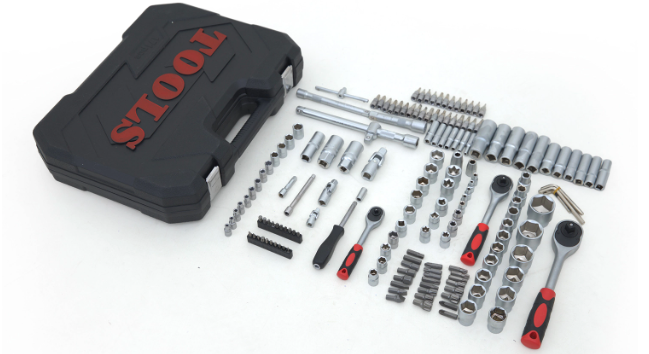
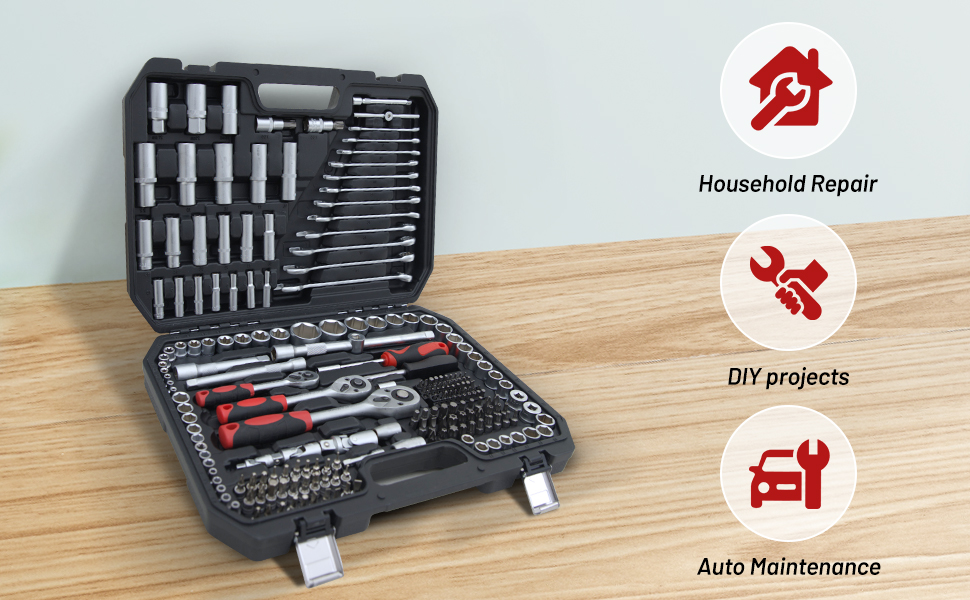
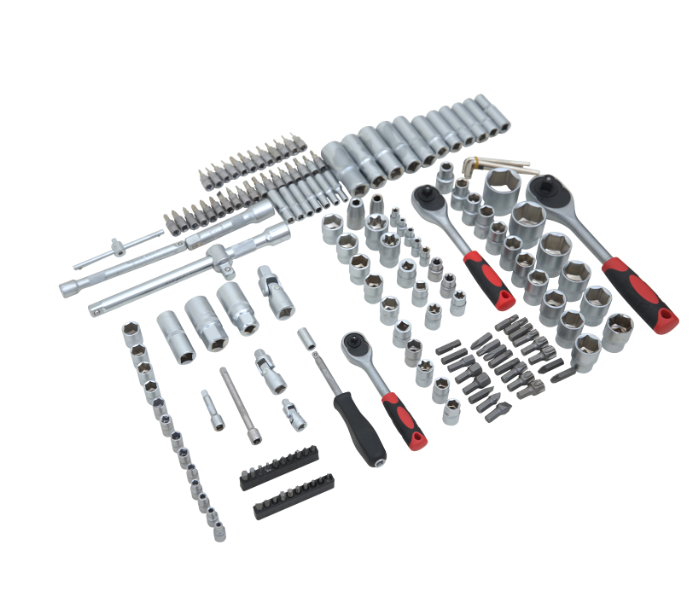
Power tools have transformed the way we approach home improvement, automotive repairs, and industrial projects. Yet, even in an age of electric drills and impact drivers, basic hand tools like a socket set remain essential for precise and controlled work. Whether you’re a DIY enthusiast, a professional mechanic, or a hobbyist, knowing how to use a socket set efficiently ensures faster, safer, and more accurate results. In this guide, we’ll break down every step, from selecting the right socket to maintaining your tools, so you can handle bolts and nuts with confidence.
Socket Set vs Other Tools
People often confuse ratchets and wrenches. A ratchet is a type of wrench, but it has a socket mechanism that spins in one direction.
| Tool | Purpose | Advantage |
| Ratchet | Turn fasteners | Continuous motion without repositioning |
| Adjustable Wrench | Loosen/tighten bolts | No need for multiple sizes |
| Socket Set | Fasteners of various sizes | Works in tight spaces, fast |
A socket set is not a painting tool. Each tool type has a specific job. They aren’t interchangeable.

Common Uses of a Socket Set
Automotive repairs: A socket set is perfect for working on cars. Use it to tighten or loosen spark plugs, lug nuts, battery terminals, and other engine components. The right socket size ensures a secure grip and prevents damage.
Furniture assembly: When putting together furniture, a socket set allows you to fasten screws and bolts quickly. It saves time compared to traditional wrenches and reduces the risk of over-tightening.
Bicycle maintenance: Socket sets are ideal for bike repairs. They help you handle small fasteners on pedals, handlebars, and gears efficiently, making adjustments smoother and faster.
Appliances: For home appliances, a socket set makes it easy to adjust and repair internal bolts and fasteners. You can reach tight spaces that standard wrenches cannot.
Industrial work: Socket sets are widely used in machinery maintenance, allowing workers to quickly tighten or loosen large bolts on equipment and production lines. Their versatility improves efficiency and reduces downtime.
Using a socket set instead of traditional wrenches or pliers makes repetitive tasks faster, safer, and more precise. Whether for DIY projects or professional applications, having a quality socket set is essential in any toolkit.
Step-by-Step Guide: How to Use a Socket Set
Step 1: Find the Right Socket Size
The first and most important step is picking the correct socket for your bolt or nut. Start by selecting a socket from your set that looks close to the size of your fastener and gently try to slide it onto the nut or bolt. If it doesn’t fit, go for a slightly larger socket. Once the socket fits over the fastener, check if it’s too loose. A loose socket can slip off and damage the edges of the bolt, while a socket that’s too tight may not fit at all. Keep adjusting until you find one that slides on snugly and grips the fastener securely. This step ensures that you don’t strip the bolt or nut and sets the stage for smooth turning in the following steps.
Step 2: Attach Accessories
Sometimes, the bolt or nut you need to reach is in a tricky position, like deep inside an engine bay or at an awkward angle. In such cases, using accessories like extension bars or universal joint adapters can save a lot of effort. Extensions increase your reach, while universal joints allow you to work at angles other than 90 degrees. Attach any needed accessory to your wrench before adding the socket. This ensures stability and makes it easier to maintain control while turning. Using the right accessory reduces strain on your hand and wrist and prevents damage to the fastener in tight spaces.
Step 3: Attach the Socket to the Wrench
Connecting the socket to your wrench is simple but must be done carefully. For a male or standard ratchet, push the socket onto the square drive until it clicks into place. A secure click means it’s locked and ready for use. If you’re using a pass-through wrench, align the socket with the wrench hole and snap it into place. Some ratchets come with a quick-release button that makes attaching or removing the socket faster and more convenient. If you’ve added an accessory like an extension or universal joint, the socket attaches in the same way to the accessory. A proper attachment prevents wobbling and ensures each turn of the ratchet translates directly to the fastener.
Step 4: Set the Ratchet Direction
Most ratchet wrenches have a directional switch that allows you to choose whether to tighten or loosen a fastener. Turning the switch clockwise sets the wrench for tightening, while counterclockwise sets it for loosening. Before starting, hold the socket firmly and rotate the handle in the desired direction to check if the ratchet is moving correctly. If it spins the wrong way, adjust the switch or knob until the direction matches your intention. Correctly setting the ratchet direction prevents wasted effort, avoids frustration, and protects both the socket and the fastener from damage.
Step 5: Turn the Fastener
Once everything is set, position the socket over the bolt or nut and start turning the handle steadily in the direction you need. If you reach the end of your handle’s swing or hit an obstruction, move the handle back without letting the socket rotate backward; the ratchet will hold the fastener in place. Continue this back-and-forth motion until the fastener is fully tightened or loosened. Apply steady pressure rather than jerky movements to avoid slipping. If the bolt is particularly tight or rusted, using an extension or applying a lubricant like penetrating oil can make the process smoother and safer.
Step 6: Remove the Socket
After completing your task, remove the socket from the wrench or accessory. If your ratchet has a quick-release button, press it and gently pull the socket off. Otherwise, carefully pull the socket straight off the drive. Always handle the sockets with care to prevent dropping or damaging them. Returning sockets to their designated slots in the storage box immediately after use keeps your set organized, prevents loss, and ensures the tools are ready for the next job.
Step 7: Store Your Set
Proper storage significantly extends the life of your socket set. Place each socket, wrench, and accessory back in its assigned position in the storage case. Keep the box in a dry area to prevent rust and avoid exposure to direct sunlight, which can discolor or degrade the tools over time. Organized storage saves time when searching for the right size and keeps the set complete. Regularly inspecting your set for wear and cleaning it after use ensures consistent performance and helps you maintain professional-level efficiency in every project.
| Step | Action | Details / Tips |
| 1 | Find the Right Socket Size | Try a socket on the fastener. If too small, try bigger; if loose, try smaller. Stop when it fits snugly to prevent stripped bolts. |
| 2 | Attach Accessories | Use extension bars for deep bolts or universal joints for angled positions. Attach accessories to the wrench before the socket. |
| 3 | Attach the Socket to the Wrench | Male wrench: push socket onto square drive until it clicks. Pass-through wrench: snap socket into the hole. Quick-release buttons may be present. |
| 4 | Set the Ratchet Direction | Clockwise to tighten, counterclockwise to loosen. Hold socket and test handle. Adjust switch or knob if direction is wrong. |
| 5 | Turn the Fastener | Slide socket onto bolt. Turn handle steadily. If reaching a stop, move handle back; repeat until tight or loose. Use extensions or lubricant if stuck. |
| 6 | Remove the Socket | Press quick-release button if available; otherwise, pull socket off carefully. Store in the box to avoid loss. |
| 7 | Store Your Set | Return all sockets, wrenches, accessories to their slots. Keep box dry and out of sunlight to prevent rust and discoloration. |
![A+2]()
Safety Tips
Always wear gloves and goggles: Protect your hands from sharp edges and your eyes from flying debris when using a socket set. Safety gear prevents injuries during automotive, home, or industrial tasks.
Avoid damaged sockets: Inspect sockets before use. Cracks or worn edges can cause slipping or breakage, which may damage fasteners or cause injury.
Use the correct socket size: A snug fit is essential. Using the wrong size increases the risk of slipping, rounding off bolts, or straining the wrench.
Don’t force stuck fasteners: If a nut or bolt won’t budge, apply a lubricant or penetrating oil first. Use an extension bar for extra leverage rather than forcing the socket, which can cause accidents.
Keep work area clear: Ensure your workspace is well-lit and free from clutter. This makes handling a socket set safer and more efficient.
Troubleshooting Common Issues
Socket slips: Ensure you have the correct size for the bolt or nut. If slipping continues, try a slightly smaller socket or clean the fastener to remove dirt and rust.
Ratchet not turning: Check the directional switch or knob. Sometimes the ratchet is set to the wrong direction, preventing the fastener from moving even when you turn the handle.
Stuck bolts: Apply penetrating oil and allow it to soak for a few minutes. Gently tap the bolt with a hammer or use an extension for extra leverage. Avoid using excessive force, which can damage both the fastener and socket set.
Worn sockets: Over time, sockets may round off or develop cracks. Replace damaged sockets immediately to avoid stripping bolts or injuring yourself.
Difficulty in tight spaces: If a fastener is hard to reach, use a universal joint or extension with your socket set. This improves access and reduces wrist strain.
FAQ
Q: What is a socket set used for?
A: A socket set is used to tighten or loosen bolts and nuts efficiently. It includes a ratchet, sockets in various sizes, and sometimes extension bars or adapters. Socket sets are essential for automotive, furniture assembly, bicycle maintenance, appliances, and industrial work.
Q: How do I choose the right socket size?
A: Match the socket to the bolt or nut exactly. It should fit snugly without slipping. If it’s loose, try a smaller socket; if it’s too tight, try a larger one. Correct sizing prevents stripped fasteners and ensures smooth turning.
Q: How do I remove a stuck bolt with a socket set?
A: Apply penetrating oil and let it soak for several minutes. Use a snug-fitting socket and steady pressure. Tap gently if needed, or attach an extension for extra leverage. Avoid forcing the fastener to prevent damage.
Q: Should I use a socket set for furniture assembly?
A: Yes. Socket sets make furniture assembly faster and reduce the risk of over-tightening screws or bolts. Using the correct socket size ensures a secure grip and smoother assembly.

Conclusion
Mastering a socket set enhances any toolkit and complements the efficiency of other power tools in your workshop. By choosing the correct socket size, using accessories wisely, and following proper safety measures, even complex repairs become manageable. For high-quality, reliable socket sets and professional-grade hand tools, trust Suzhou Newstar Hardware Co., Ltd. Their wide selection of durable tools ensures that both DIY enthusiasts and industry professionals can work smarter, faster, and with confidence.