Hand tools are the foundation of every workshop and DIY project. From simple screwdrivers to complex wrenches and chisels, these tools allow us to perform tasks with precision, control, and flexibility. While power tools have become popular for speeding up jobs, hand tools remain indispensable for detailed work, maintenance, and situations where accuracy matters more than speed. Understanding the variety, uses, and care of hand tools helps both professionals and hobbyists maximize efficiency while complementing power tools for larger tasks.
What Are Hand Tools? Definition and Key Characteristics
Definition of Hand Tools
Hand tools are tools powered entirely by human effort. They don’t rely on motors, batteries, or engines. Instead, we use our strength, precision, and technique to complete tasks.
They range from simple screwdrivers to more complex tools like chisels, hammers, and pliers. Each is designed for a specific purpose, yet many are versatile across multiple jobs. Even though they are “manual,” hand tools allow precise control. Skilled use often delivers results machines cannot replicate.
Characteristics of Hand Tools
Hand tools are portable and simple to use. They can be carried to almost any job site or stored in small toolboxes. They are highly versatile. Mechanics, carpenters, electricians, and DIY enthusiasts often use the same tool differently. A screwdriver can adjust a bike chain or assemble furniture.
Durability is key. Good-quality tools last for years, sometimes decades. Steel, alloy, and hardwood construction ensures long-term performance. Some tools even improve with age, like wooden mallet handles becoming smoother over time.

Importance of Hand Tools
Everyday Use and Practical Applications
Hand tools are vital for daily life. We use them for household repairs, DIY projects, and maintenance tasks. Screwdrivers tighten hinges, pliers bend wires, and hammers drive nails.
Industries rely heavily on them too. Construction workers swing hammers and saws. Mechanics use wrenches and sockets. Electricians depend on insulated pliers and screwdrivers. Each tool adapts to multiple purposes.
| Application Area | Common Tools Used | Example Task |
| Household | Screwdrivers, hammers | Tighten door hinges |
| Woodworking | Chisels, saws, mallets | Shape furniture edges |
| Automotive | Wrenches, sockets, pliers | Engine maintenance |
| Electrical | Insulated screwdrivers, pliers | Wiring and circuits |
Enhancing Productivity and Efficiency
Choosing the right tool reduces fatigue and improves control. Balanced hammers and properly sized wrenches let us work longer without strain.
They also increase speed. Proper tools cut, twist, or shape more efficiently than makeshift alternatives. This saves time and ensures better quality work.
Safety Considerations
Using the correct tool is essential for safety. Improper or worn tools can cause injuries. Regular maintenance, such as cleaning, oiling, and inspecting, ensures consistent performance and reduces risks.
Types of Hand Tools
Screwdrivers
Screwdrivers are designed to drive or remove screws efficiently. Common types include flathead, Phillips, Torx, and specialty precision or offset screwdrivers. Flathead screwdrivers are used for simple slotted screws, while Phillips screwdrivers feature a cross-shaped tip that provides better grip and torque. Torx screwdrivers have a star-shaped design commonly used in electronics, and specialty screwdrivers are designed for precision tasks or hard-to-reach areas. These tools are essential for furniture assembly, electronics repair, and a variety of household projects.
Wrenches and Spanners
Wrenches and spanners allow us to grip and turn nuts or bolts with precision. They come in various forms such as open-end, box, adjustable, torque, and Allen wrenches. Open-end wrenches are commonly used for pipe fittings, while box-end wrenches are ideal for automotive engine work. Adjustable wrenches offer versatility for general household or workshop use, torque wrenches are critical for precise fastening, and Allen wrenches are designed to fit hex bolts found in machinery. They are widely applied in plumbing, automotive repair, and mechanical maintenance.
Sockets and Ratchets
Sockets, when paired with ratchets, make loosening or tightening fasteners faster and more efficient. Different sizes of sockets accommodate bolts, nuts, and machinery components, while the ratchet mechanism allows repeated motion without repositioning the tool. This combination saves time and effort, particularly in automotive repair and mechanical assembly.
Pliers
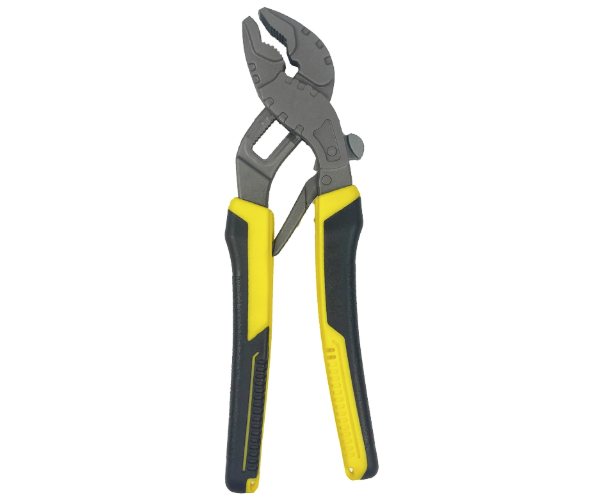
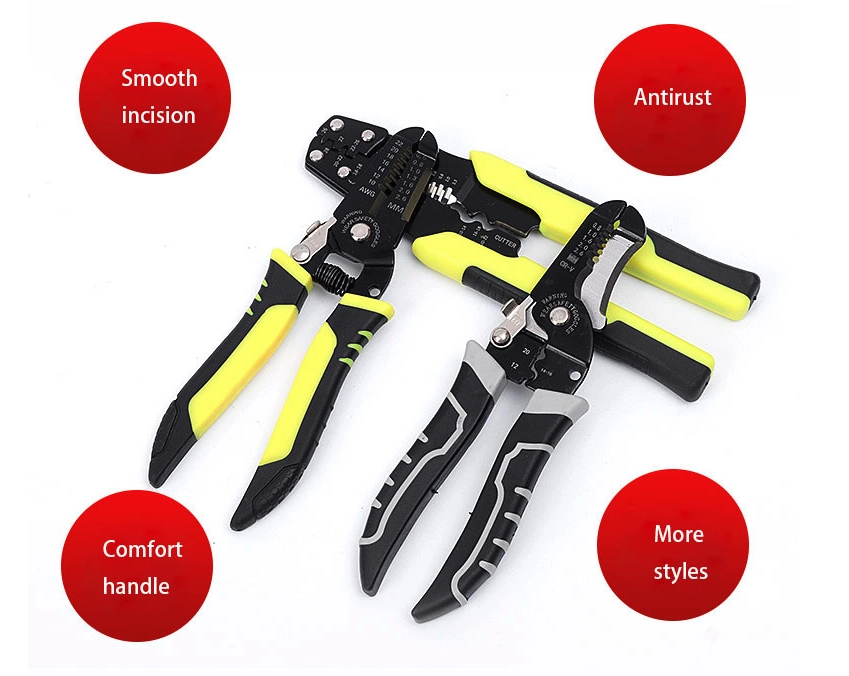
Pliers are versatile hand tools used for gripping, bending, and cutting various materials. Common types include flat-nose, needle-nose, diagonal, lineman, and slip-joint pliers. They are frequently used in electrical wiring adjustments, mechanical assembly, and craft or jewelry projects, where precision and control are essential.
Hammers and Striking Tools
Hammers transfer force to objects like nails, chisels, or metal surfaces. Common types include carpenter hammers, sledgehammers, mallets, ball peen, and cross peen hammers. Materials used in their construction range from wood and steel to composite materials, each tailored to specific tasks such as woodworking, metal shaping, or demolition work.
Pry Bars and Crowbars
Pry bars and crowbars are strong, durable tools designed for prying, lifting, or separating components. They are widely used in construction and demolition projects, allowing workers to remove nails, open crates, or disassemble structures with controlled leverage.
Torque Wrenches
Torque wrenches are specialized tools used to tighten fasteners to exact specifications. They are available in manual and digital versions and play a critical role in automotive repair, engineering tasks, and machinery assembly. Using them ensures proper torque, preventing damage to components and maintaining safety standards.
Files and Rasps
Files and rasps refine surfaces and shapes of materials. Files are typically used for smoothing metal, removing burrs, and achieving a precise finish, whereas rasps are designed to shape wood or other softer materials. Both are essential in metalworking, woodworking, and crafting tasks, where precision is important.
Chisels
Chisels are hand tools for cutting, shaping, or carving materials such as wood, stone, or metal. Proper technique is crucial to prevent damage, and different chisels are designed to match the material hardness and desired precision. Wood chisels are ideal for fine woodworking, stone chisels for masonry, and metal chisels for fabrication work.
Pincers
Pincers are specialized tools for gripping, cutting, or bending materials. End-cutting pincers and lineman’s pliers are commonly used to remove nails, manipulate wires, or perform electrical work. They are essential in mechanics, household repairs, and electrical installations due to their leverage and precision.
Saws
Manual saws, including hand saws, coping saws, and back saws, are used to cut wood and occasionally metal or stone. The tooth design and blade rigidity vary depending on the type of material and task. They are indispensable in carpentry, woodworking, and some metalworking jobs.
Clamps
Clamps hold workpieces securely during cutting, drilling, or assembly. Types include C-clamps, bar clamps, spring clamps, and woodworking clamps. Choosing the right size ensures a firm grip without damaging the material, and using multiple clamps on larger projects improves precision and safety during work.
| Hand Tool Type | Common Variants/Types | Primary Use/Application |
| Screwdrivers | Flathead, Phillips, Torx, Specialty | Driving/removing screws |
| Wrenches & Spanners | Open-end, Box-end, Adjustable, Torque, Allen | Tightening/loosening nuts and bolts |
| Sockets & Ratchets | Standard socket sets | Fastening bolts and nuts efficiently |
| Pliers | Flat-nose, Needle-nose, Diagonal, Lineman, Slip-joint | Gripping, bending, cutting materials |
| Hammers & Striking Tools | Carpenter, Sledge, Mallet, Ball peen, Cross peen | Driving nails, shaping, striking |
| Pry Bars & Crowbars | Standard pry bars, crowbars | Prying, lifting, separating components |
| Torque Wrenches | Manual, Digital | Precise fastening in automotive/engineering |
| Files & Rasps | Metal files, Wood rasps | Smoothing, shaping, deburring materials |
| Chisels | Wood, Stone, Metal | Cutting or carving materials |
| Pincers | End-cutting, Lineman’s | Cutting nails, gripping wires |
| Saws | Hand saw, Coping saw, Back saw | Cutting wood, occasional metal/stone |
| Clamps | C-clamp, Bar clamp, Spring clamp, Woodworking clamp | Holding workpieces securely |

How to Choose the Right Hand Tools
Consider the Task and Material
Select tools based on the job: woodworking, metal shaping, electrical, or mechanical work. The right tool increases efficiency and prevents material damage.
Quick Guide:
Wood: chisels, saws, mallets
Metal: files, rasps, hammers, torque wrenches
Electrical: insulated pliers, screwdrivers
Mechanical: wrenches, sockets, ratchets
Durability and Build Quality
Strong materials extend tool life. Steel, alloy, and hardwood resist wear. Avoid brittle or cheap tools.
Checklist:
Ergonomics and Safety
Comfortable tools reduce fatigue and improve control. Handle length, grip, and weight balance matter.
Tips:
Tool Sets vs Individual Tools
Tool sets are convenient and cost-effective. Individual tools may be needed for rare tasks.
| Option | Advantages | Considerations |
| Tool Set | Variety, ready-to-use | May include unused tools |
| Individual | Custom selection, precise fit | Separate storage, higher cost |
Maintenance and Care of Hand Tools
Cleaning, Oiling, and Sharpening
Proper cleaning is essential for maintaining hand tools. After every use, wipe off dirt, dust, or debris from handles and metal parts. Apply a thin layer of oil to moving parts like hinges, ratchets, or joints to reduce friction and prevent rust. For cutting tools such as chisels, knives, and saws, regular sharpening ensures precise results and prolongs the life of your hand tools. Well-maintained tools perform better and reduce effort during tasks.
Proper Storage
Correct storage protects your hand tools and keeps them ready for use. Use toolboxes, racks, or pegboards to organize tools efficiently. Keep all tools in a dry environment to prevent corrosion. For delicate cutting tools, soft sleeves or covers help avoid chips, dulling, or accidental injury. Organized storage also saves time, letting you quickly find the right hand tools for each job.
Regular Inspection
Routine inspection is key to safe and reliable hand tools. Check handles for cracks, splits, or loose grips. Examine metal parts for rust, bending, or excessive wear. Ensure joints, hinges, and moving parts work smoothly. Early detection of damage allows repair or replacement before tools fail. Regular inspections help maintain the performance, accuracy, and safety of all your hand tools.
FAQ
Q: Why are hand tools important?
A: Hand tools are essential for everyday repairs, DIY projects, and industrial work. They improve efficiency, enable precision, and allow versatile use across construction, woodworking, electrical, and mechanical applications.
Q: What are the main types of hand tools?
A: Common hand tools include screwdrivers, wrenches and spanners, sockets and ratchets, pliers, hammers, chisels, saws, clamps, torque wrenches, pry bars, files, and pincers.
Q: How do I choose the right hand tools?
A: Consider the task and material, durability, ergonomics, and whether a tool set or individual tool suits your needs. Choosing the right tool increases efficiency and reduces wear or injury.
Q: How should I maintain hand tools?
A: Clean tools after use, oil moving parts, sharpen blades, store them in dry, organized spaces, and inspect handles, joints, and metal parts regularly to prevent damage or rust.
Conclusion
Mastering the use of hand tools not only improves productivity but also ensures safety and durability in every project. By selecting the right tool for the job, maintaining it properly, and combining hand tools with power tools when needed, tasks become easier, faster, and more precise. For high-quality hand tools that meet professional standards, Suzhou Newstar Hardware Co., Ltd. offers a wide range of durable and reliable options, helping workshops, contractors, and DIY enthusiasts achieve excellent results.