![How to Pick the Best Household Tools for Everyday Repairs]()
If you want to handle everyday repairs with confidence, you need the right household tools. Some essentials include a hammer, screwdrivers, pliers, an adjustable wrench, a tape measure, a utility knife, a level, a hex key set, a flashlight, and a sturdy home tool set. A basic tool set gives you great value, especially if you are a first-time homeowner. Many household tool sets are best for beginners because they cover most common fixes.
Investing in quality tools means you save money, stay safe, and finish jobs faster.
Key Takeaways
Start with essential tools like a hammer, screwdrivers, pliers, and a tape measure. These basics cover most common repairs.
Invest in quality tools to save money and time. Good tools last longer and make repairs easier.
Choose a versatile tool set that includes both flathead and Phillips screwdrivers for various tasks.
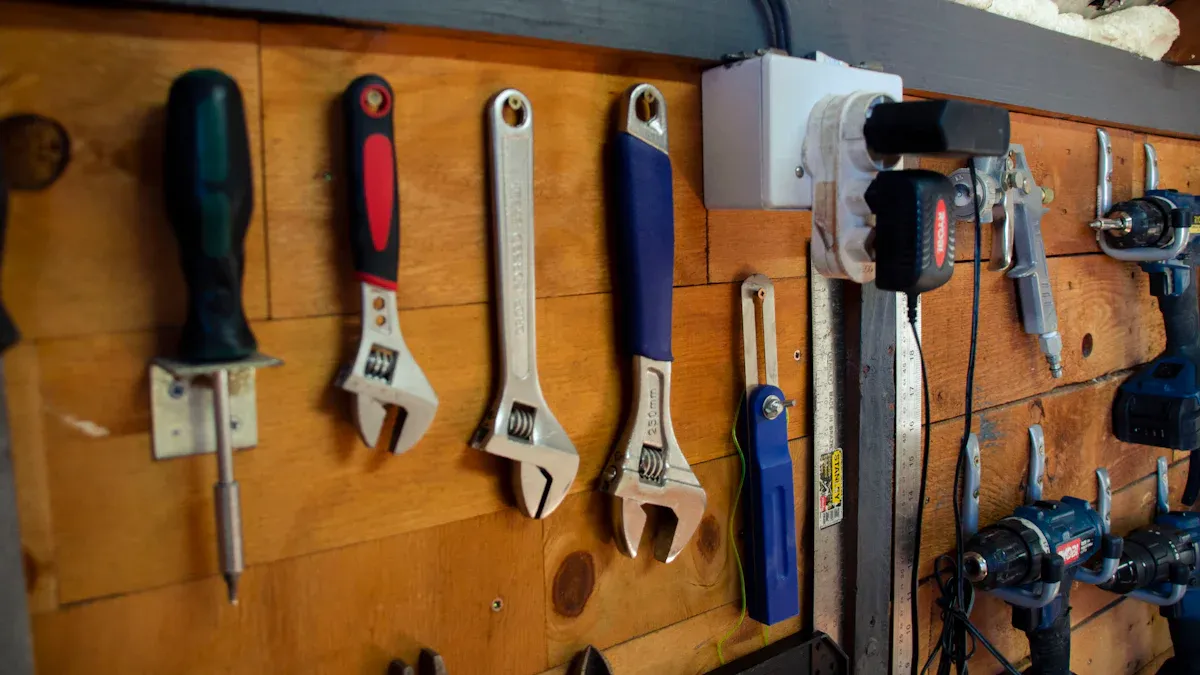
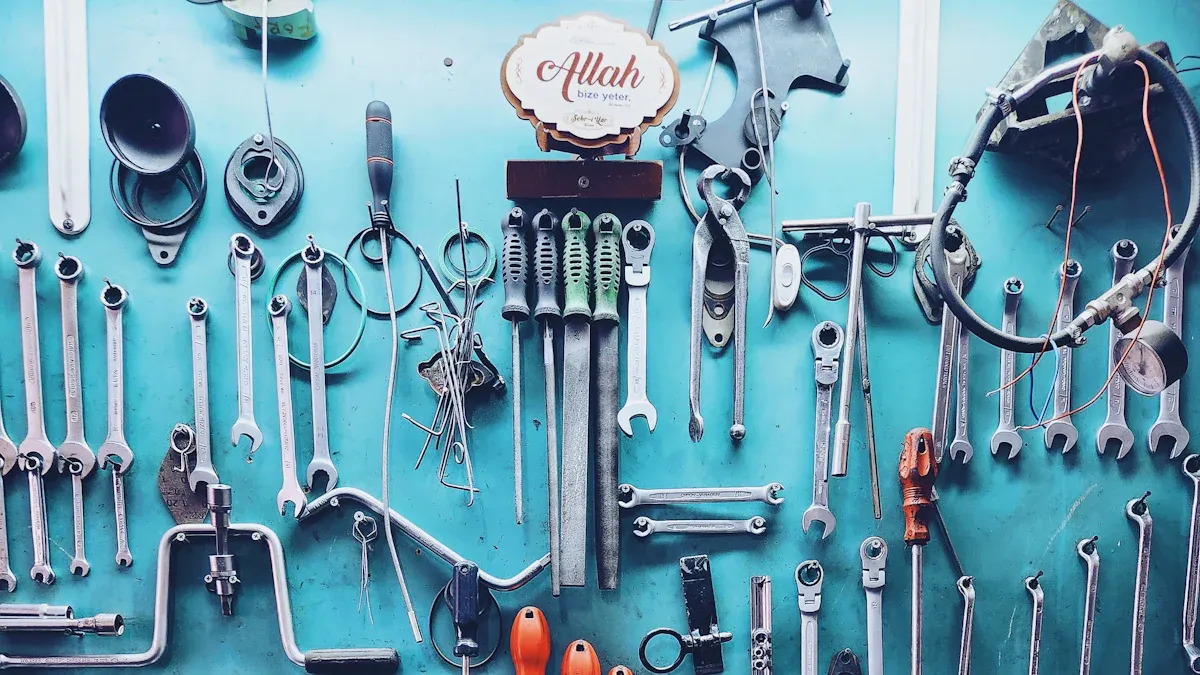
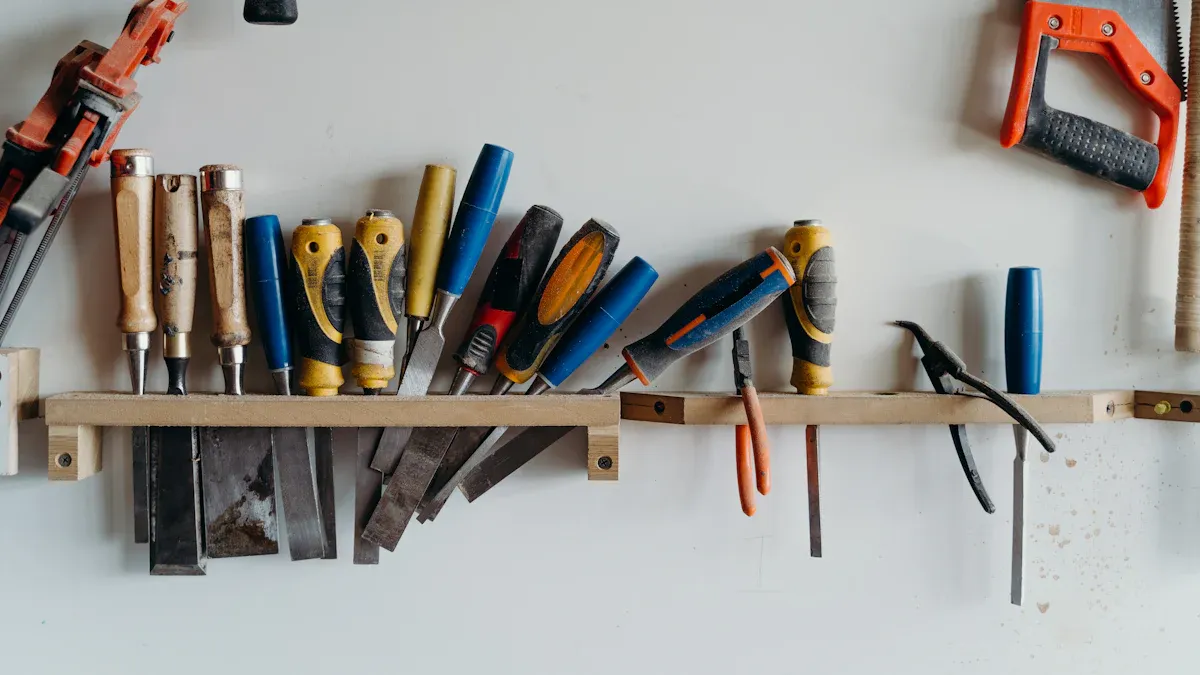
Keep your tools organized in a toolbox or on a pegboard. This saves time and reduces frustration during repairs.
Regularly clean and maintain your tools to extend their lifespan. Wipe them down after use and check for rust.
Consider adding specialty tools like a stud finder or pipe wrench as you take on more complex projects.
Always wear safety gear, such as gloves and goggles, to protect yourself during repairs.
Evaluate your storage space before buying tools. Compact or multi-use tools help maximize limited space.
Essential Household Tools
![Essential Household Tools]()
Hammer
You will reach for a hammer more often than you think. This tool helps you hang picture frames, assemble furniture, and reseal paint cans. You can also use it for minor repairs around your home. A good hammer should feel balanced in your hand and have a comfortable grip. Many people keep a claw hammer in their tool box because it lets you drive nails and pull them out with ease. If you want real value from your household tool set, make sure a hammer is included.
Tip: Choose a hammer with a non-slip handle. You will work safer and avoid accidents.
Screwdrivers
You cannot build a reliable home tool set without screwdrivers. These essential tools help you tighten, loosen, and assemble almost anything. You will use them for furniture, electronics, and even small repairs. Screwdrivers also work for prying, scraping, and retrieving objects from tight spaces. Most household tool sets include both flathead and Phillips screwdrivers. You will get the most value if you choose a set with several sizes.
Flathead
Flathead screwdrivers are the most versatile type. You will use them for straight or notched screws. They work well for basic repairs, opening paint cans, and even light prying. Keep a few flathead screwdrivers in your tool box so you are ready for any project.
Phillips
Phillips screwdrivers are just as important. You will need them for cross-shaped screws, which you find in furniture, appliances, and electronics. Phillips screwdrivers help you avoid stripping screws and make assembly easier. If you want a household tool set that covers all the basics, make sure it includes both flathead and Phillips screwdrivers.
Pliers
Pliers give you a strong grip and help you tackle many household repairs. You will use them to hold, twist, bend, and cut wires or small objects. Every home tool set should include at least two types of pliers: slip-joint and needle-nose. These tools add real value to your tool box because they handle different tasks.
| Type of Pliers | Main Uses | Characteristics |
| Slip-Joint Pliers | - Gripping small to medium-sized objects
- Light twisting and turning tasks
- Ideal for various sizes of nuts, bolts, and pipes | - Adjustable pivot point for wider jaw opening
- Suitable for general household repairs |
| Needle-Nose Pliers | - Operations in less accessible areas
- Holding, placing, bending, and cutting (if equipped with side cutters) | - Tapered, long, and conical jaws
- Commonly used in delicate tasks like jewelry making and electrical work |
Slip-Joint
Slip-joint pliers are perfect for gripping and turning nuts, bolts, and pipes. You can adjust the jaw size to fit different objects. These pliers work well for general household repairs and add flexibility to your household tool set.
Needle-Nose
Needle-nose pliers help you reach into tight spaces. You will use them for delicate tasks like jewelry making, electrical work, and bending wires. Their long, tapered jaws make them ideal for holding and placing small items. If you want your tool box to handle detailed repairs, needle-nose pliers are a must.
Note: Keep both types of pliers in your home tool set. You will be ready for almost any repair job.
Adjustable Wrench
You will find an adjustable wrench in almost every household tool set. This tool stands out because you can change the jaw size to fit different nuts and bolts. You do not need a whole set of wrenches when you have this one. It saves space in your tool box and gives you more flexibility for repairs.
You will use an adjustable wrench for many common tasks around your home. Here are some examples:
Tightening loose bolts on a bed frame
Adjusting fixtures on appliances
Working with pipes and fixtures in plumbing
Tightening or loosening nuts on sinks and faucets
Assembling furniture with non-standard fasteners
You will get the most value from a wrench with a smooth adjustment mechanism and a comfortable grip. If you want your home tool set to handle plumbing, furniture, and appliance repairs, do not skip this essential tool.
Tip: Wipe your adjustable wrench after each use. This keeps it free from rust and ready for your next project.
Tape Measure
A tape measure is one of the most essential tools for any home project. You will use it to measure rooms, furniture, windows, and even picture frames. Accurate measurements help you avoid mistakes and save money on materials.
Most tape measures from trusted brands are very accurate. Tests show that most brands have a margin of error of just 1/32 inch. The Stanley PowerLock stands out for its precision and reliability. Only a few tapes, like the FastCap Old Standby, are off by 1/32 inch, while others are accurate to within 1/64 inch or less. You can trust a good tape measure to give you the right numbers every time.
Note: Choose a tape measure with clear markings and a sturdy case. You will find it easier to use and less likely to break.
A tape measure belongs in every tool box. You will reach for it again and again, whether you are hanging shelves or planning a new layout for your living room.
Utility Knife
A utility knife is a must-have in your household tool set. You will use it to open boxes, cut carpet, trim wallpaper, and score drywall. This tool gives you clean, straight cuts and makes many tasks easier.
When you pick a utility knife, look for safety features that protect your hands. The best knives have self-retracting blades and blade locking mechanisms. Some models use a t-shape or hook design to keep your fingers away from the blade. You should also check for an ergonomic handle. This gives you a firm grip and helps prevent slips. Regularly change the blade to keep it sharp and safe.
Self-retracting blade for safety
Blade lock to prevent accidents
Ergonomic handle for comfort
Hook or t-model for extra finger protection
Easy blade change to keep cuts clean
Safety Tip: Always retract the blade when you finish using your utility knife. Store it in your tool box where children cannot reach it.
A utility knife adds real value to your household tools. You will wonder how you ever managed without one.
Level
A level helps you make sure everything in your home sits straight and even. You will use it when you hang shelves, pictures, or curtain rods. If you want your projects to look professional, you need this tool in your tool box. A level saves you from crooked results and extra work.
You can choose from different types, but a basic bubble level works for most household tasks. Digital levels are also available, but they cost more and are not always necessary for simple jobs. Look for a level with clear, easy-to-read vials. A sturdy frame will last longer and give you better results.
Tip: Always double-check your work with a level before you finish a project. You will avoid mistakes and save time.
Hex Key Set
A hex key set, also called Allen wrenches, is a must-have for your household tool set. You will find these tools in many flat-pack furniture kits and bicycle repair sets. They have a simple L-shape that fits into hexagonal bolts and screws.
You will use a hex key set for many common home repairs. Here are some ways you might use them:
Assembling flat-pack furniture
Tightening or loosening bolts on bikes
Adjusting fixtures or handles on appliances
Working on DIY projects that use hex screws
Most home tool sets include a range of hex key sizes. You should keep them organized in your tool box so you can find the right size quickly. If you want real value from your household tool set, make sure it includes a sturdy hex key set.
Flashlight
A flashlight is one of the most important household tools for repairs. You will need it when you work in dark corners, under sinks, or during power outages. A good flashlight helps you see what you are doing and keeps you safe.
LED flashlights have become the top choice for most people. They offer several advantages over traditional models:
| Advantage | Description |
| Increased Brightness | LED flashlights provide better and brighter light than traditional options. |
| Energy Efficiency | They consume less energy, leading to longer battery life and fewer changes. |
| Reliability | LEDs are more reliable than traditional halogen bulbs, reducing failure rates. |
| Convenience | Their solid-state construction makes them durable and easy to use. |
You will also save money because LED flashlights last longer and use less battery power. Their tough design means they can handle drops and bumps. You should keep a flashlight in your tool box and another in an easy-to-reach spot in your home. That way, you are always ready for repairs or emergencies.
Note: Check your flashlight batteries every few months. Replace them before they run out so you are never left in the dark.
Additional Useful Tools
You might think you have everything you need with the basics, but a few extra tools can make your life much easier. These additions help you handle more repairs, stay safe, and work smarter. Here are some tools you should consider adding to your home tool set:
Hardware Kit
A small hardware kit keeps you ready for quick fixes. You get a mix of nails, screws, wall anchors, and picture hangers. You will not have to run to the store for every little project.
Stud Finder
Hanging shelves or heavy frames? A stud finder helps you locate wall studs so you can anchor items safely. You avoid damaging your walls and make sure your shelves stay up.
Drill & Drill Bit Set
A cordless drill saves you time and effort. You can drill holes, drive screws, and even mix paint. A set of drill bits lets you work with wood, metal, and plastic.
Pipe Wrench
If you ever need to fix a leaky pipe or tighten plumbing connections, a pipe wrench gives you the grip and power you need. It works where an adjustable wrench might slip.
Plunger & Drain Snake
Clogged sink or toilet? A plunger is your first line of defense. For tougher clogs, a drain snake helps you clear blockages without calling a plumber.
Voltage Tester
Safety comes first when you work with electricity. A voltage tester lets you check if wires or outlets are live. You avoid shocks and work with confidence.
Wire Stripper
If you ever need to fix a lamp or replace a plug, a wire stripper makes the job easy. You get clean cuts and avoid damaging the wires.
Safety Gear
Protect yourself while you work. Safety goggles shield your eyes from dust and debris. Ear protection keeps loud noises from hurting your hearing. A dust mask or respirator helps you breathe easy during messy jobs. Work gloves protect your hands from cuts and scrapes. Non-slip work boots give you a solid grip on any surface.
Emergency Supplies
Accidents can happen. Keep a first aid kit nearby for cuts and scrapes. A fire extinguisher helps you handle small fires before they get out of control.
Tip: Store your safety gear and emergency supplies in a spot you can reach quickly. You never know when you will need them.
You do not need to buy everything at once. Start with the basics, then add these tools as you take on new projects. You will feel more prepared and confident every time you tackle a repair.
Choosing a Household Tool Set
Versatility and Coverage
When you pick a household tool set, you want tools that cover a wide range of jobs. You do not want to run back and forth to the store every time you start a new project. Look for a set that includes all the essentials, like a hammer, screwdrivers, pliers, a tape measure, and a level. These tools help you handle most repairs around your home.
You should also check the quality of the materials. Good tools last longer and work better. Ergonomics matter, too. Comfortable handles and balanced weight make every task easier. Do not forget about tool storage. A well-organized tool box keeps everything in its place and saves you time.
Here’s what to look for in a versatile set:
A set with these features gives you more value and helps you tackle any project with confidence.
Quality and Durability
You want your tools to last for years, not just a few projects. The material and build quality make a big difference. Some tools use high-speed steel for toughness and wear resistance. Others use chrome vanadium steel, which resists bending and breaking. Impact tools often use chrome molybdenum steel for extra shock resistance. Here’s a quick look at common materials:
| Material Type | Properties | Application |
| High-Speed Steel (HSS) | Toughness, wear resistance, withstands high temperatures | Cutting tools |
| Carbide | Exceptional hardness, keeps sharpness longer | High-speed operations |
| Chrome Vanadium Steel | Hardness, resists deformation | Premium wrenches and sockets |
| Chrome Molybdenum Steel | Shock resistance, long-lasting | Impact tools |
Proper material selection is crucial for durability. Heat treatments like quenching and tempering make tools harder and tougher. You should also check for tight fits, balanced weight, and reinforced corners. These features help your tools survive tough jobs and last longer in your tool box.
Comfort and Ease of Use
Comfort matters when you use your tools often. You want tools that feel good in your hand and do not cause pain or fatigue. Here are some features that make a difference:
Ergonomic handles that fit your grip and reduce hand strain
Tools and storage within easy reach to avoid bending or stretching
Proper counter heights to prevent back and arm pain
Good lighting in your workspace for better visibility
Cushioned flooring to reduce fatigue if you stand for long periods
Safety features to lower the risk of accidents
When you choose a set with these features, you work faster and safer. You also enjoy your projects more. A comfortable household tool set encourages you to take on new repairs and learn new skills.
Tip: Try holding a tool before you buy it. If it feels awkward or heavy, look for a better fit. Your hands will thank you.
Storage and Organization
You can have the best tools in the world, but if you cannot find them when you need them, you lose time and patience. Good storage and organization make every repair job easier and safer. You do not need a fancy workshop to keep your tools in order. A few smart habits and the right setup will help you get the most value from your household tool set.
Start by looking at your space and your tools. Think about the size, weight, and how often you use each item. This helps you pick the best tool storage for your needs. Toolboxes work well for small spaces or if you need to carry your tools around. Pegboards let you hang tools on the wall, so you can see everything at a glance. Drawer organizers and mobile carts keep things tidy and easy to move.
Here are some simple ways to keep your tools organized:
Use dividers in drawers. Each tool gets its own spot, so you never have to dig through a pile.
Sort small parts like screws, nails, and bolts into little containers. You will not lose them, and you can grab what you need fast.
Store lighter tools on top shelves or drawers. Put heavier ones at the bottom for safety and balance.
Group your tools by type or by how often you use them. Keep your most-used items within easy reach on your workbench or in a top drawer.
Maximize your wall space with shelves or racks. Hanging tools frees up floor space and keeps your area neat.
Try overhead storage for bulky items you do not use every day. This keeps your main workspace clear.
Label drawers, bins, and containers. You will always know where things belong, and it is easier to put them back.
Use color-coding or tool shadowing (outlining each tool’s shape) to spot missing items quickly.
Tip: Clean your tools before you put them away. Wipe off dirt and moisture to prevent rust and damage.
A well-organized tool area saves you time and keeps your projects running smoothly. You will spend less time searching and more time fixing. When you keep your household tool set in order, you protect your investment and make every repair feel less like a chore.
Best Tool Set for Home Use: Pre-Assembled vs. Custom
Choosing the best tool set for home use can feel overwhelming. You might wonder if you should buy a pre-assembled set or build your own collection. Each option has its own strengths and weaknesses. Let’s break it down so you can pick what works best for you.
Pre-Assembled Sets
Pre-assembled tool sets are popular for a reason. You get a box full of tools in one purchase. Many best-selling sets include all the basics, so you can start fixing things right away.
Pros
You save time because you do not need to shop for each tool.
The upfront cost per tool is usually lower. You get more tools for your money.
Everything comes in a matching case, which keeps your tools organized.
These sets often cover most common household repairs.
Here’s a quick look at how pre-assembled sets compare to buying tools one by one:
| Feature | Mechanic Tool Kits (Pre-Assembled) | Individual Tools (Custom) |
| Cost Efficiency | Better upfront value per tool | Higher cost per item |
| Customization | Limited to what's included | Full control over brand/type |
| Tool Quality | Varies by brand/package | Easier to go premium tool-by-tool |
Cons
Some tools in budget sets can feel flimsy or even break during use.
Handles may be uncomfortable or too small, which can lead to slips and injuries.
You might get tools you never use, or miss a tool you really need.
Poor grip and slick materials can make some tools dangerous.
You have less control over the quality of each tool.
Note: If you want a quick start and do not need specialty tools, a pre-assembled set works well. Just check reviews to avoid low-quality options.
Building Your Own Set
Building your own tool set takes more time, but you get to pick exactly what you want. You can choose each tool based on your needs and your favorite brands.
Pros
You select tools that fit your hand and your projects.
You can go for higher quality, one tool at a time.
You avoid paying for tools you will never use.
You can add special features, like manuals or QR codes for instructions.
A custom set saves you time during repairs because you know where everything is.
Here’s a table that shows the benefits of building your own set:
| Benefit | Description |
| Tailored Tool Selection | Choose tools relevant to your needs |
| Added Functionality | Combine tools and inserts for more usefulness |
| Saves Time | Organized layouts make tools easy to find |
Cons
You spend more money up front, especially if you want premium brands.
It takes longer to build a complete set.
You need to find your own storage solution.
You might miss out on the convenience of a ready-to-go kit.
Tip: If you love DIY projects or want the highest quality, building your own set gives you the most control.
No matter which path you choose, you can create a tool kit that makes home repairs easier. Think about your budget, your space, and how often you plan to use your tools. That way, you will end up with the best tool set for home use.
Factors to Consider Before Buying
Home Type and Repair Needs
Your home type plays a big role in the tools you need. If you live in an apartment, you might only need a few basics for small fixes. A house often means more repairs, like plumbing or outdoor projects. Think about what breaks most often in your space. Do you hang a lot of pictures? Do you fix leaky faucets or work on your yard? Make a quick list of your usual repairs. This helps you pick the right tools for your daily life.
If you are a first-time homeowner, you may not know what to expect. Start with a simple tool set that covers the basics. You can always add more tools as you learn what your home needs. Some best-selling sets include everything you need for common repairs. These sets work well if you want a quick start and do not want to shop for each tool.
Tip: Walk through your home and look for things that might need fixing. This helps you decide what tools to buy first.
Frequency of Use
How often you use your tools matters. If you fix things every week, you need tools that last. If you only do repairs once in a while, you can start with a basic set. Frequent use means you should look for tools made from strong materials like forged steel. These tools will not break easily. You also want handles that feel good in your hand. This keeps you comfortable during long jobs.
Here’s a table to help you see how repair frequency affects your tool choices:
| Tool Type | Key Features | Impact on Repair Frequency |
| Quality Tools | Durable materials like forged steel | Essential for frequent use to avoid breakage |
| Ergonomic Designs | Comfort during extended tasks | Reduces strain during regular repairs |
| Versatile Tools | Multi-bit drivers save space/money | Useful for a variety of tasks, more repairs |
| Custom Tool Kits | Tailored to your needs | Lets you tackle common repairs efficiently |
If you do a lot of DIY projects, invest in versatile tools. Multi-bit screwdrivers and adjustable wrenches save space and money. You will not need to buy a new tool for every job. If you only do repairs now and then, a basic kit will work fine.
Budget Considerations
Your budget is important when you shop for tools. You do not need to spend a lot to get started. Many good tool sets cost less than you think. Set a budget before you shop. This helps you avoid buying tools you do not need. If you want to save money, buy tools in a set. You get more value for your dollar.
Think about what you need right now. Buy the basics first. Add more tools as your skills grow. If you have a tight budget, look for sales or buy tools one at a time. Quality matters, but you can find strong tools at a good price. Remember, a well-chosen tool set saves you money on repairs in the long run.
Note: Spending a little more on quality tools now can help you avoid replacing broken tools later.
Space for Storage
You might have the perfect household tool set, but where do you keep everything? Storage space can be a real challenge, especially if you live in a small home or apartment. You want your tools close by, but you do not want them cluttering up your living room or kitchen. The good news is, you have more options than you think.
Let’s look at some smart ways to store your tools without taking up too much room:
| Solution Type | Description |
| Storage Cabinet | A custom-built or purchased cabinet with adjustable shelves can store a large collection of tools. |
| Curtains as Storage | Utilizing curtains to hide spare wood and paint, effectively using vertical space for storage. |
| Under-Furniture Storage | The space behind or under furniture can be used for flat items like cutting mats and spare frames. |
| Folding Workbench | A folding workbench can serve multiple purposes and be stored compactly in a closet. |
You do not need a huge garage or basement to keep your tools organized. Try these ideas:
Use curtains to hide tools and supplies. Hang a curtain in a corner or closet to create a hidden storage spot. This trick helps you use vertical space and keeps your home looking tidy.
Slide flat items, like cutting mats or spare frames, under your couch or bed. You can also tuck toolboxes or small bins under furniture you already have.
Pick a folding workbench. You can use it as a desk or even a drinks table when you are not working on repairs. When you finish, just fold it up and store it in a closet.
If you have a little more room, a storage cabinet with adjustable shelves can hold a lot of tools. You can find cabinets that fit your style and your space. Some people even build their own to match their needs.
Think about your storage space before you buy new tools. If you have limited room, choose compact or multi-use tools. This approach helps you stick to your budget and avoid buying things you cannot store. You do not want to spend your budget on tools that end up lost or damaged because you have nowhere to put them.
A little planning goes a long way. When you organize your tools, you save time and money. You also make your home safer and less cluttered. So, before you add to your tool collection, ask yourself: Where will I keep everything? Your answer can help you make smart choices and get the most from your budget.
Maintaining and Organizing Household Tools
![Maintaining and Organizing Household Tools]()
Cleaning and Care
You want your tools to last, so regular cleaning and care are key. Dirt, grease, and rust can ruin even the best tools if you ignore them. Start by wiping down your tools after every use. For handheld tools, soak them in a cleaning solution or degreaser for about half an hour. Scrub away grime with a wire brush, and use steel wool to remove any rust. After cleaning, dry your tools completely and apply a light coat of oil to prevent rust from coming back.
"Cleaning your tools is imperative to prolonging their life and keeping them functioning correctly. Use a cleaning solution, soak tools, scrub with a wire brush, and apply oil to prevent rusting."
For power tools, always unplug them first. Blow out sawdust and debris with compressed air. Wipe the surfaces with a damp cloth, but avoid the motor and cables. Never overload your power tools, as this can cause overheating and shorten their lifespan.
Here are some habits that help extend the life of your tools:
Lubricate moving parts to reduce friction and wear.
Sharpen cutting edges to keep them efficient.
Store tools properly after each use.
A little care goes a long way. You will save money and avoid frustration when your tools work like new every time.
Storage Solutions
Good storage keeps your tools organized and easy to find. You have lots of options, so pick what fits your space and style. Tool carts let you sort tools by type and roll them wherever you need. Back-of-door fabric organizers work great for small hand tools and accessories. They have lots of pockets, so you can grab what you need fast.
If you have lots of small parts, try using plastic holders or plano boxes. These keep screws, nails, and bits from getting lost. For bigger tools like rakes or shovels, broom holders and wall-mounted pegs help you use vertical space. An umbrella stand can hold garden tools and keep your garage tidy. Shoe boxes and racks fit under shelves and make use of dead space. Even open bins and office organizers can help you sort smaller items.
When choosing storage, think about whether you need to move your tools or keep them in one spot. Portable systems are great if you work in different places. Stationary systems work well if you have a dedicated workspace. Balance durability with weight, and consider your budget and how many tools you need to store.
Tip: Using one type of storage system can make your tool area look neat and help you stay organized.
Regular Inspections
You should check your tools often to catch problems early. Regular inspections help prevent injuries and keep your tools safe to use. Look for signs of wear, like chipped screwdriver heads or mushroomed chisel backs. Wrenches can bend or wear out, which makes them slip and can cause accidents.
If you find a tool that is broken or not working right, set it aside and let others know. This stops anyone from using a dangerous tool by mistake. Make inspections a habit, especially before big projects. You will feel more confident knowing your tools are in good shape.
Safety reminder: A quick check before you start can save you from bigger problems later.
Safety Tips
You want every repair project to go smoothly, but safety should always come first. When you use household tools, a few smart habits can help you avoid accidents and keep your workspace safe. Let’s walk through some practical tips that make a big difference.
1. Wear Appropriate Safety Gear
Before you start any repair, grab your safety glasses, gloves, and sturdy shoes. If you’re working with loud tools, put on ear protection. Dust masks help when you deal with sawdust or chemicals. You protect your eyes, hands, and lungs from unexpected hazards.
2. Use the Right Tools for the Job
Don’t force a screwdriver to act like a chisel or use pliers as a wrench. Each tool has a purpose. Read the manual if you’re unsure. Inspect your tools before you use them. If you see cracks, rust, or loose parts, fix or replace them. Using the right tool keeps you safe and makes the job easier.
3. Keep Your Workspace Clean and Organized
A messy area leads to slips, trips, and lost tools. Clear away clutter before you begin. Wipe up spills right away. Organize your tools so you can find what you need fast. Good lighting helps you spot hazards and work with precision.
4. Follow Electrical Safety Practices
If you work near outlets or wires, turn off the power first. Use a voltage tester to check if wires are live. Never work with electricity in wet conditions. Unplug power tools when you finish using them. This prevents accidental startups and keeps you safe.
5. Handle Chemicals with Care
Read labels before you use any chemical. Open windows or use fans to ventilate the area. Store chemicals in a safe spot, away from children and pets. Wear gloves and masks if the instructions recommend them.
6. Ladder Safety
Inspect your ladder before you climb. Make sure it stands on a flat surface. Always keep three points of contact—two hands and one foot, or two feet and one hand. Don’t lean too far or stand on the top step.
7. Take Breaks and Stay Hydrated
Fatigue leads to mistakes. Take short breaks to rest your hands and eyes. Drink water, especially if you work in a warm room or outside. You’ll stay alert and avoid injuries.
Tip: Check your workspace lighting before you start. Shadows can hide hazards and make repairs harder.
Here’s a quick table to help you remember these safety basics:
| Safety Tip | Why It Matters |
| Wear safety gear | Protects eyes, hands, and hearing |
| Use correct tools | Prevents injuries and tool damage |
| Keep area clean | Reduces slips and lost tools |
| Electrical safety | Avoids shocks and fires |
| Chemical care | Prevents burns and breathing issues |
| Ladder safety | Stops falls and injuries |
| Take breaks, hydrate | Keeps you focused and safe |
You don’t need fancy equipment to stay safe. Just follow these simple steps every time you tackle a repair. You’ll protect yourself, your family, and your home.
When to Upgrade Your Tool Set
Signs You Need New Tools
You might not think about your tools until something goes wrong. But old or worn-out tools can slow you down or even cause accidents. Here are some signs that tell you it’s time for an upgrade:
Rust or Corrosion: If you see rust on your pliers or wrench, they won’t grip well. Rust also weakens metal.
Loose or Cracked Handles: Handles that wiggle or have cracks can break during use. This puts your safety at risk.
Stripped Screwdriver Tips: If your screwdriver slips out of screws, the tip is probably worn down.
Stuck or Jammed Moving Parts: Pliers or wrenches that don’t open and close smoothly make jobs harder.
Missing or Broken Pieces: If a tool is missing a part, it won’t work right.
Tip: Test your tools before each project. If something feels off, it’s better to replace it now than deal with a bigger problem later.
Adding Specialty Tools
As you tackle more repairs, you’ll find that basic tools don’t cover every job. Specialty tools can make tricky tasks much easier. You don’t need to buy everything at once. Start with the basics, then add new tools as your skills grow.
Here are some specialty tools you might want to add:
| Tool | Common Use |
| Stud Finder | Locating wall studs for safe hanging |
| Pipe Wrench | Plumbing repairs and pipe fittings |
| Wire Stripper | Electrical work and wiring |
| Caulking Gun | Sealing windows, tubs, and sinks |
| Socket Set | Car repairs and furniture assembly |
You can pick up these tools when you start new projects. For example, if you want to fix a leaky faucet, a pipe wrench will help. If you plan to hang heavy shelves, a stud finder keeps your walls safe.
Note: Specialty tools save you time and help you get professional results.
Expanding for Advanced Projects
You might start with simple repairs, but soon you’ll want to take on bigger challenges. Advanced projects need more than just the basics. When you feel ready, expand your tool set to match your new skills.
Here are some ways to grow your collection:
Power Tools: A cordless drill, jigsaw, or sander opens up new possibilities.
Precision Tools: A digital caliper or laser level helps with detailed work.
Workshop Gear: A workbench, clamps, or a vise gives you a safe place to work.
Safety Upgrades: Add ear protection, dust masks, or knee pads for comfort.
Ready to level up? Each new tool brings you closer to tackling any project with confidence.
You don’t have to buy everything at once. Build your tool set step by step. Soon, you’ll have everything you need for both quick fixes and advanced DIY projects.
You now know what makes a great household tool set. Pick tools that fit your needs and budget. Go for quality and versatility. Take care of your tools and keep them organized. You will save time and money on repairs.
Remember: A well-chosen tool set gives you confidence for any project. Start building your collection today and enjoy every DIY win! ️
FAQ
What tools should I buy first for home repairs?
Start with a hammer, screwdrivers, pliers, tape measure, and utility knife. These cover most basic fixes. You can add more tools as you tackle new projects.
How do I know if a tool is good quality?
Check for sturdy materials like chrome vanadium steel. Hold the tool in your hand. If it feels solid and comfortable, you’re on the right track.
Can I use the same tools for outdoor repairs?
You can use many indoor tools outside. For yard work, add a shovel, rake, and garden gloves. Store outdoor tools separately to keep them clean.
How often should I clean my tools?
Wipe down your tools after every use. Deep clean them once a month. Regular care keeps your tools working well and helps prevent rust.
What’s the best way to organize my tool set?
Use a toolbox or pegboard. Sort tools by type. Label drawers or bins. You’ll find what you need faster and keep your workspace tidy.
Do I need safety gear for simple repairs?
Yes! Safety glasses and gloves protect you from accidents. Even small jobs can cause injuries. Keep your gear handy and use it every time.
Should I buy a pre-assembled tool set or build my own?
If you want convenience, grab a pre-assembled set. If you prefer control and quality, build your own collection. Choose what fits your needs and budget.