![Essential Guide to Using Specialty Auto Repair Tools Safely]()
Safety matters every time you pick up specialty Auto Repair Tools. You want to avoid injury and keep your workspace free from damage. Many mechanics face risks each day. For example:
In 2020, over 13,000 automotive technicians suffered nonfatal injuries.
The rate of these incidents reached 185.9 per 10,000 workers.
Safety starts with awareness. You must learn how each tool works. You need to check your equipment before use. Safety gear protects your eyes, hands, and lungs. Practicing safety builds your confidence and helps you work smarter.
Key Takeaways
Always read the manufacturer's manual before using any specialty tool. This helps you understand its functions and avoid mistakes.
Inspect your tools for damage before each use. Look for cracks or worn parts to prevent accidents.
Wear appropriate personal protective equipment (PPE) for every task. This includes safety glasses, gloves, and hearing protection.
Keep your workspace organized and clean. A tidy area reduces the risk of accidents and helps you find tools quickly.
Practice safe body mechanics. Use proper lifting techniques and maintain good posture to avoid injuries.
Apply force carefully when using tools. Rushing can lead to damage or injury; always work with patience.
Conduct regular safety inspections of your tools and workspace. This helps identify hazards before they cause accidents.
Promote a safety-first mindset among your team. Encourage open communication about safety practices and report hazards.
Auto Repair Tools Overview
What Are Specialty Tools
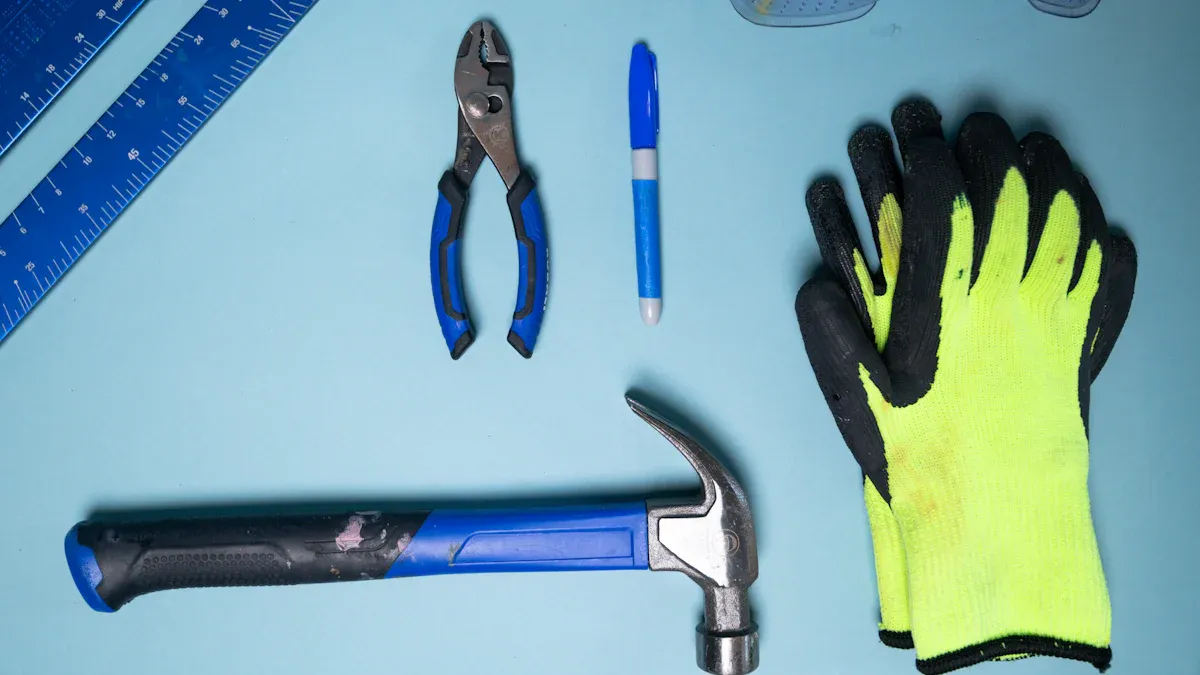
You use specialty auto repair tools when standard equipment cannot handle the job. These tools and equipment are designed for specific automotive repair tasks. Specialty tools help you work faster and safer. You rely on them to reach tight spaces, remove stubborn parts, or complete precise repairs. When you choose the right tool, you protect yourself and your vehicle from damage.
Tip: Specialty auto repair tools often save you time and reduce frustration. You avoid mistakes and finish repairs with confidence.
Common Types of Auto Repair Tools
You find many types of auto repair tools in professional shops. Each tool serves a unique purpose. Here are some of the most common specialty tools and equipment you might use:
Orbital Sander: You use this tool to sand and polish vehicle surfaces.
Hand Seamer: This tool helps you create manual seams in sheet metal.
Tube Cutter: You trim metal tubes in automobiles with this tool.
Air-powered Tools: These tools work well in tight spaces.
Impact Wrench: You tighten or loosen vehicle components quickly.
Puller Set: You remove pulleys, bearings, and gears with this set.
Retriever Claw: You grab items from hard-to-reach spots.
Magnetic Pickup Tool: You pick up metal objects using a strong magnet.
Inspection Mirror: You view hard-to-see areas inside the vehicle.
Diagnostic Tools
You use diagnostic tools to identify problems in your vehicle. These tools and equipment help you read error codes, check sensors, and monitor engine performance. You rely on them to make accurate repairs.
Pullers and Presses
Pullers and presses help you remove or install parts like bearings, gears, and pulleys. You use these auto repair tools when parts are stuck or need precise pressure. They make tough jobs easier and safer.
Specialty Wrenches
Specialty wrenches fit unique bolts and nuts found in vehicles. You use them when standard wrenches cannot reach or grip the fastener. These tools and equipment prevent damage and help you work efficiently.
Electrical Tools
Electrical tools help you test, repair, and install wiring or electronic components. You use them to check voltage, find shorts, and connect wires safely. These auto repair tools protect you from electrical hazards.
When to Use Specialty Tools
You need specialty auto repair tools for tasks that require precision, safety, or efficiency. The table below shows when you should use specific tools and equipment in automotive repair:
| Specialty Tool Type | Application in Auto Repair |
| Brake Tools | Essential for brake pad replacement and maintenance. |
| Transmission Tools | Necessary for servicing automatic and manual transmissions. |
| Suspension and Steering | Required for alignment and suspension repairs. |
| Engine Tools | Used for precise engine diagnosis and maintenance tasks. |
You improve your results and reduce risks when you choose the right auto repair tools for each job. You keep your workspace safe and your repairs accurate.
Tool Knowledge and Preparation
Reading Manuals and Instructions
You should always start by reading the manufacturer’s manual before using any specialty auto repair tool. Manuals give you clear, step-by-step instructions. You learn the correct way to use each tool. This helps you avoid mistakes and keeps your repairs efficient. Manuals also provide the latest information about techniques and specifications. You stay up to date with new technology and methods. If you are new to auto repair, manuals help you learn faster and build your skills. Many manuals include tips for preventive maintenance. These tips help you keep vehicles in better shape for longer.
Tip: Reading the manual before you begin can save you time and prevent costly errors.
Benefits of reading manufacturer manuals:
Detailed instructions make repairs straightforward.
Accurate information ensures you use the right techniques.
Preventive maintenance tips help extend vehicle life.
Manuals help new technicians learn quickly.
Inspecting Tools for Safety
You must inspect every tool before you use it. Look for signs of damage, such as cracks, worn parts, or frayed power cords. If you find any damage, do not use the tool. Report it to your supervisor or replace it. Always check that safety guards and devices are in place. Proper maintenance keeps your tools in good condition and helps prevent accidents. You should also read the tool’s manual for use and maintenance guidelines. Regular equipment inspections and maintenance checks keep your workspace safe. Stay updated on product labels, Safety Data Sheets (SDS), and manufacturer’s manuals. If safety procedures or equipment change, make sure everyone knows.
Safety inspection steps:
Examine all tools for damage before each use.
Remove damaged tools from service and report them.
Check that all safety guards and devices are in place.
Conduct regular equipment inspections and maintenance.
Keep tools and equipment in good condition.
Note: Well-maintained tools last longer and work better. You protect yourself and others by inspecting tools before each job.
Understanding Tool Functions
You need to understand how each specialty tool works before you use it. Learn what the tool is designed to do. Know which tasks require each tool. This helps you choose the right tool for the job and use it safely. When you understand tool functions, you avoid using tools incorrectly. This reduces the risk of injury and damage to your vehicle. You can ask experienced technicians for advice or watch demonstration videos. Practice using tools in a safe environment to build your confidence.
Callout: The more you know about your tools, the safer and more effective your repairs will be.
Quick checklist for understanding tool functions:
Identify the purpose of each tool.
Learn which jobs require specialty tools.
Ask for help or watch demonstrations if you are unsure.
Practice using tools to build skill and confidence.
You build a strong foundation for safe auto repair when you read manuals, inspect tools, and understand their functions.
Hands-On Practice
You build real skill with specialty auto repair tools through hands-on practice. Reading manuals and watching demonstrations help you understand the basics. You need to use the tools yourself to gain confidence and accuracy. Practice lets you learn how each tool feels, how much force to apply, and how to avoid mistakes.
Many auto repair shops and training programs offer courses that focus on hands-on learning. You work with actual tools and parts in a safe environment. In these courses, you get direct feedback from instructors and peers. You learn faster and remember more when you practice regularly.
Tip: Start with simple repairs and basic tools. Move on to advanced specialty tools as your skills grow.
You can see how different training courses help you master key tools in the table below:
| Course | Key Tools and Their Uses |
| Automotive Electrical Systems | Digital multimeters, battery terminal cleaners for diagnostics |
| HVAC Repair | Digital thermometers, UV leak detection lamps, refrigerant adapters |
| Brake System Maintenance | Caliper piston compressors, drum spring removal tools |
| Transmission & Drivetrain | Clutch alignment tools, flywheel wrenches, seal pullers |
You should also practice with a variety of tool categories. Each type of tool helps you develop a different skill. The table below shows how these tools fit into your training:
| Tool Category | Examples | Why They Matter |
| Core Hand Tools | Ratchets, wrenches, screwdrivers, pliers | Foundation of everyday repairs |
| Torque Tools | Torque wrenches, digital torque analyzers | Ensure correct tightness, prevent damage |
| Power Tools | Electric impact wrenches, grinders | Speed up repetitive tasks |
| Diagnostic Tools | Scan tools, multimeters | Pinpoint electronic and sensor faults |
| Storage & Organization | Tool carts, cabinets | Keeps workspace efficient and tools protected |
You improve your technique by practicing with each tool. You learn how to use torque wrenches to tighten bolts to the correct specification. You discover how digital multimeters help you diagnose electrical problems. You see how tool carts and cabinets keep your workspace organized and safe.
Hands-on practice also prepares you for certification exams. For example, if you want to earn ASE certification in brakes or electrical systems, you need to master tools like brake piston compressors and circuit testers. Training programs focus on these skills so you can pass your exams and work safely.
Callout: Practice makes perfect. The more you use specialty auto repair tools, the safer and more skilled you become.
You should set aside time each week for hands-on practice. Try new tools, repeat common repairs, and ask for feedback. You build muscle memory and develop safe habits. Over time, you become a more confident and capable technician.
Essential Safety Gear (PPE)
![Essential Safety Gear (PPE)]()
Eye and Face Protection
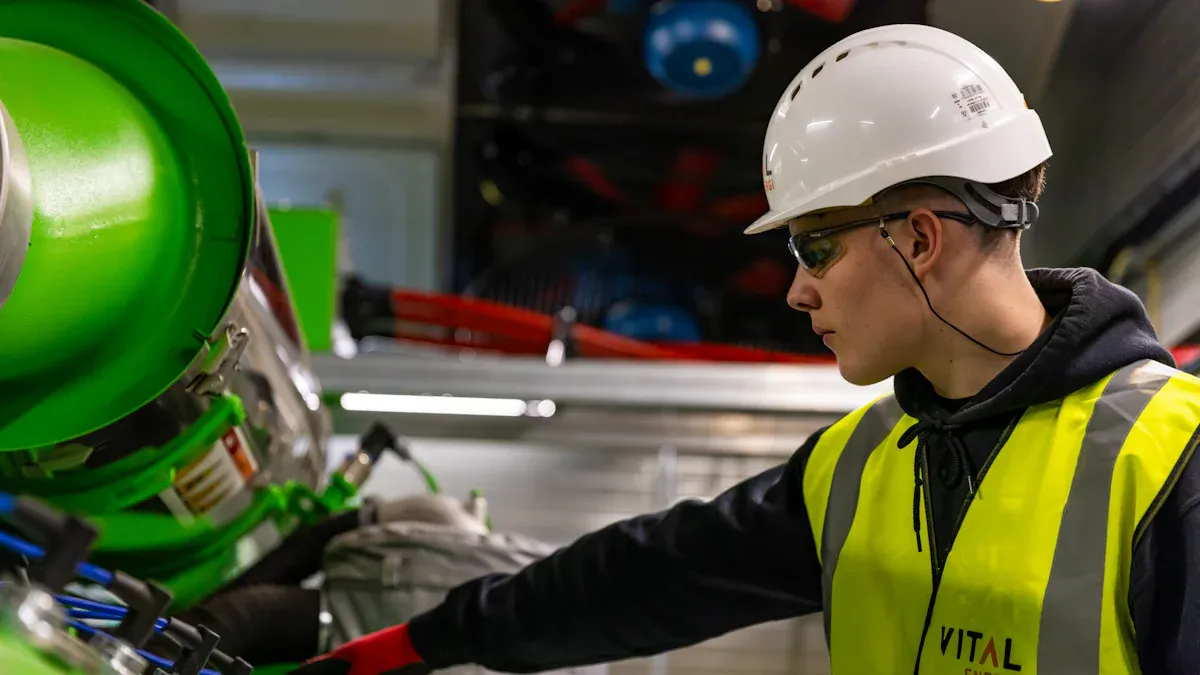
You face many hazards in auto repair. Flying particles, chemical splashes, and falling objects can cause serious injuries. You need safety glasses every time you work with specialty auto repair tools. Safety glasses protect your eyes from metal shavings, dust, and debris. You should use chemical splash goggles or face shields when working with fluids or chemicals. Hard hats add extra protection when you work under vehicles or near heavy parts.
The table below shows common eye and face injuries and how personal protective equipment helps prevent them:
| Type of Injury | Description | PPE Recommendations |
| Flying Particles | Metal shavings, wood chips, and debris cause 70% of workplace eye injuries. | Safety glasses, goggles |
| Chemical Exposure | Automotive fluids can cause severe eye injuries, accounting for 20% of cases. | Chemical splash goggles, face shields |
| Falling Items | Tools or parts can fall and cause serious injuries. | Safety glasses, hard hats |
| Small Explosions | Explosions can project shrapnel and debris into the air. | Safety goggles, face shields |
| Lack of Attention | Tripping hazards can lead to eye injuries. | Safety glasses, awareness training |
Tip: Always wear safety glasses, even for quick tasks. You never know when a hazard will appear.
Hand and Body Protection
You handle hot parts, sharp edges, and hazardous fluids every day. You need personal protective equipment to keep your hands and body safe. Work gloves protect you from cuts, burns, and chemicals. Nitrile gloves give you dexterity and shield your skin from fluids. Sturdy clothing, such as coveralls or aprons, guards against heat and chemical spills. You should wear knee pads when working under vehicles. Foam pads help you stay comfortable and safe during long repairs.
The table below lists the required personal protection equipment for auto mechanics:
| Required PPE for Auto Mechanics |
| Aprons |
| Coveralls |
| Coats |
| Pants |
| Hats |
| Hoods |
| Gloves |
| Knee pads for working on cars |
| Chemical protective suits |
| Safety glasses |
| Foam pads |
Note: Choose work boots with steel toes and non-slip soles for extra safety. Sturdy footwear keeps you safe from falling objects and slippery floors.
Hearing and Respiratory Protection
You work with loud tools and chemicals that can harm your hearing and lungs. You need hearing protection when using impact wrenches, grinders, or air-powered tools. Earmuffs and earplugs block out dangerous noise levels. Earplug dispensers and hygiene kits help you keep your hearing protection clean and ready.
Respiratory protection is just as important. Disposable masks and reusable masks filter out dust, fumes, and chemical vapors. Respirator filters and accessories give you extra protection when working with paint or solvents. Good ventilation in your workspace helps remove harmful particles from the air. You should always check that your safety gear fits well and meets OSHA standards.
Callout: Use proper ventilation and personal protective equipment to keep your lungs and ears safe. You protect your health and work more efficiently.
You need safety gear for every auto repair task. Personal protective equipment keeps you safe from injuries and long-term health risks. You should always choose the right PPE for each job and check that it fits properly.
When to Use Each PPE
You need to know when to wear each type of personal protective equipment (PPE) in your auto repair shop. Every task brings its own risks. You must match your safety gear to the hazards you face. If you choose the wrong PPE, you put yourself at risk for injury. If your gear does not fit, you may create new hazards.
Start by looking at the job you plan to do. You should conduct a job safety analysis (JSA) before you begin. This means you break down the task into steps and identify the dangers at each stage. You look for risks like flying debris, chemical splashes, loud noises, or sharp edges. You use this information to pick the right PPE.
Here is a simple checklist to help you decide which PPE to use for common auto repair tasks:
Grinding, cutting, or sanding: Wear safety glasses or goggles to protect your eyes from flying particles. Use a face shield for extra coverage.
Working with chemicals or fluids: Put on chemical splash goggles and gloves. Wear a protective apron or coveralls to shield your skin and clothing.
Handling hot parts or welding: Use heat-resistant gloves and a welding helmet or face shield. Wear flame-retardant clothing.
Electrical work: Choose insulated gloves and safety glasses. Make sure your clothing does not have metal parts.
Using loud power tools: Insert earplugs or wear earmuffs to protect your hearing.
Spray painting or working with solvents: Use a respirator mask and goggles. Wear gloves and coveralls to keep chemicals off your skin.
Tip: Always check that your PPE fits well. Loose or tight gear can make it hard to work and may not protect you.
The table below shows which PPE you should use for different auto repair tools and tasks:
| Task or Tool | Recommended PPE | Why It Matters |
| Impact wrench, grinder | Safety glasses, earplugs | Protects eyes and hearing |
| Battery testing | Insulated gloves, safety glasses | Prevents electrical shock |
| Brake cleaner use | Chemical-resistant gloves, respirator | Shields skin and lungs |
| Welding | Welding helmet, flame-retardant gloves | Guards against burns and sparks |
| Oil change | Nitrile gloves, safety glasses | Keeps oil off skin and eyes |
| Suspension work | Steel-toe boots, knee pads | Protects feet and knees |
You must stay alert to changing conditions in your shop. If you switch tasks, review your PPE. If you work with a new tool or chemical, check the manufacturer’s safety guidelines. You should always inspect your gear before use. Replace damaged or worn PPE right away.
Callout: You protect yourself best when you match your PPE to the job. Take time to assess each task and choose your gear wisely.
You build safer habits when you make PPE part of your routine. You reduce your risk of injury and keep your shop running smoothly. Remember, safety starts with the right equipment for every job.
Safe Tool Use Practices
Securing Workpieces
You must secure your workpieces before you start any repair. Loose parts can slip, fall, or shift. This creates hazards and increases the risk of injury. You should use clamps, vices, or stands to hold items steady. When you follow safety rules, you keep your hands and body away from moving parts. You also prevent damage to the vehicle and tools.
Always check that your workpiece is stable. If you work on a car, use jack stands and wheel chocks. Never rely on a hydraulic jack alone. You should inspect your clamps and vices for wear or damage. Replace them if you find any problems. You protect yourself and others by following safety rules every time you secure a workpiece.
Tip: Take a moment to double-check your setup before you begin. A secure workpiece helps you use proper technique and reduces mistakes.
Proper Body Mechanics
You need to use proper body mechanics to stay safe and comfortable during repairs. Poor posture and awkward movements can lead to strains and injuries. You should follow safety rules that support your body and reduce fatigue.
Maintain a neutral spine to support body alignment.
Use proper lifting techniques to minimize strain.
Design jobs to accommodate various body sizes and strengths.
Use adjustable workstations and anti-fatigue mats.
Match tools to tasks to avoid awkward grips and reduce strain.
When you use these guidelines, you lower your risk of injury. You also work more efficiently. You should adjust your workspace to fit your height and reach. If you need to lift heavy parts, bend your knees and keep your back straight. Ask for help if a part is too heavy. You protect your health by following safety rules and using proper technique.
Callout: Good body mechanics help you avoid pain and keep you working longer. Make safety rules part of your daily routine.
Using Tools for Intended Purpose
You must use each tool for its intended purpose. When you use the wrong tool, you risk injury and damage. You should follow safety rules and select the right tool for every job. This keeps your repairs accurate and your workspace safe.
The table below shows important precautions to follow:
| Precaution | Description |
| Tool Selection | Ensure the tool matches the repair needs to avoid damage. |
| Tool Inspection | Check for cracks and wear before use to prevent accidents. |
| Personal Protection | Use gloves and safety glasses to protect against injuries. |
| Post-Use Maintenance | Clean tools and store them properly to prolong their life. |
| Compatibility Check | Ensure diagnostic tools are compatible to avoid damaging the vehicle's ECU. |
You should inspect your tools before each use. If you find cracks or worn parts, replace the tool. Always wear gloves and safety glasses. Clean your tools after each job and store them in a safe place. When you use diagnostic tools, check that they work with your vehicle. This prevents costly mistakes and keeps you safe.
Note: Following safety rules and using tools for their intended purpose helps you avoid accidents. You protect yourself, your coworkers, and your equipment.
You build strong habits by following safety rules every time you work. You keep your shop safe and your repairs reliable. Remember, safety starts with the right tool and the right technique.
Applying Force Safely
You must apply force with care when using specialty auto repair tools. Many tools, like pullers and presses, require you to use steady pressure. Rushing or using too much force can damage parts or cause injury. You should always work with patience and control.
Apply force slowly and evenly. Turn the forcing screw or handle with steady hands.
Never exceed the tool’s rated capacity. Overloading a tool can cause it to break or slip.
Use gradual pressure. Let the tool do the work instead of forcing it.
Stop if you feel resistance that does not seem normal. Check for misalignment or obstructions before continuing.
Tip: Patience keeps you safe. Controlled force prevents broken tools and damaged vehicle parts.
You protect yourself and your equipment when you follow these steps. Safe force application helps you finish repairs without accidents.
Powering On and Off
You need to follow safety protocols every time you power specialty tools on or off. Many accidents happen when people skip these steps. You should always check your equipment and workspace before starting.
| Safety Protocols | Description |
| Get Lift Certified | Make sure lifts are inspected by an ALI-certified inspector. Schedule annual inspections for safety. |
| Know the Lift You’re Using | Train on each lift model. Learn best practices and identify risks. |
| Position the Vehicle Correctly | Follow instructions for vehicle placement. Ensure safety locks work as designed. |
| Follow All Work Safety Guidelines | Wear personal protective equipment. Keep your area free of hazards. |
| Regularly Inspect the Automotive Lift | Check lifts daily for wear and proper function. |
You should always turn off tools before making adjustments or changing attachments. Unplug electric tools when not in use. For air-powered tools, disconnect the air supply before cleaning or storing. These habits prevent accidental starts and keep you safe.
Note: Always double-check that tools are off before you leave your workspace.
Cleaning and Storing Tools
You keep your tools safe and long-lasting by cleaning and storing them properly. Good habits prevent rust, wear, and damage. You should return tools to their designated places after every use. Use labeled storage bins, pegboards, or tool chests to keep everything organized.
Follow this routine to maintain your tools:
Daily quick clean: Wipe down tools after each use to remove grease and debris.
Weekly inspection: Check for damage, loose parts, or signs of wear.
Monthly deep clean: Disassemble, clean, and lubricate tools as needed.
Annual overhaul: Inspect, maintain, and reorganize your entire toolkit.
You should also avoid storing tools in places with extreme temperatures. Freezing or excessive heat can damage plastic parts and lubricants. Keep tools out of direct sunlight to prevent UV damage.
Callout: Clean tools last longer and work better. Organized storage keeps your shop safe and efficient.
Regular cleaning and proper storage help you spot problems early. You save money and time by taking care of your equipment.
Auto Repair Safety Hazards
Pinch Points and Crush Injuries
You face serious hazards from pinch points and crush injuries in auto repair shops. Pinch points occur when your body or clothing gets caught between moving parts or heavy equipment. These injuries can range from minor bruises to severe outcomes like amputations or even death. You must stay alert to avoid these workplace hazards.
Here is a table showing how common and severe these injuries can be:
| Statistic | Description |
| 125,000 | Each year, workers suffer approximately 125,000 caught or crushed injuries due to pinch points. |
| 1/3 | Over one third of on-the-job accidents involve hand injuries, with a significant portion being from pinch-point incidents. |
| Severity | Injuries can range from minor bruises to severe outcomes like amputations or death. |
Pinch points are everywhere in auto repair environments. Over 80% of hand injuries in the workplace come from pinch-point incidents. You must use guards and barriers on machines. Always keep your hands clear of moving parts. Wear gloves and follow safety rules to reduce safety risks.
Tip: Never rush when working near moving equipment. Take time to check for pinch points before starting any task.
Electrical and Chemical Risks
You encounter electrical and chemical hazards every day in auto repair shops. Frayed wires, faulty connections, and electrical shocks are common safety risks. You also work with chemicals like solvents, lubricants, and cleaning agents. These chemical hazards can cause respiratory issues, skin irritation, and even fires.
You can reduce these hazards by following safety measures:
| Safety Measure | Description |
| Regular inspection and maintenance of electrical systems | Helps identify potential hazards like frayed wires or faulty connections. |
| Proper grounding practices | Prevents electrical shocks and requires fuses and circuit breaker protection devices. |
| Employee training on lockout/tagout procedures | Ensures techs can isolate electrical systems during maintenance or repairs. |
| Fire safety measures | Includes storing flammable materials, providing fire prevention training, and equipping the shop with fire extinguishers. |
| Emergency action plan | Should include procedures for evacuation, emergency shutdowns, and first aid, along with regular drills. |
| Machine guarding | Involves installing physical barriers and safety measures to prevent contact with moving parts. |
| Personal Protective Equipment (PPE) | Must be provided and encouraged among employees to reduce risks from various tasks. |
| Chemical exposure precautions | Proper handling and safety measures are necessary to mitigate health risks from hazardous chemicals. |
You must store chemicals safely and use PPE when handling them. Always read labels and follow chemical safety guidelines. Train yourself and coworkers on emergency procedures. Keep fire extinguishers nearby and inspect them regularly. You protect yourself and others by staying aware of common safety hazards.
Flying Debris
Flying debris is one of the most common auto shop hazards. Tasks like grinding, welding, and brake repair can send sparks and particles into the air. These hazards put your eyes and face at risk. Common injuries include scratches, redness, irritation, and sometimes blindness.
You can prevent flying debris injuries by following these steps:
Always wear safety goggles while working.
Make sure your eyewear fits properly for maximum protection.
Use a face shield for grinding and welding tasks.
Keep your workspace clean to reduce hazards.
Eye injuries often happen when you skip safety gear. You must use proper protection every time you work with tools that create flying debris. You keep yourself safe and avoid accident by making PPE part of your routine.
Callout: Protect your eyes and face from flying debris. Safety gear is your best defense against common safety hazards in auto repair.
Slips, Trips, and Falls
You face a real risk of slips, trips, and falls every time you step into an auto repair shop. These accidents account for about 20% of all injuries in motor vehicle repair. You need to recognize the hazards and take steps to prevent them.
Wet floors create dangerous surfaces. You might see spills from water, beverages, or cleaning solutions. Grease and oil often cover shop floors. These substances reduce friction and make it easy to lose your footing. Sometimes, you do not notice these spills until it is too late. Improper footwear also increases your risk. Shoes without tread or grip make it hard to stay upright, especially on smooth or wet floors.
Tip: Always wear shoes with good traction. You protect yourself from unexpected slips.
You can reduce your risk by following simple safety habits. Clean up spills as soon as you see them. Place warning signs near wet areas. Use absorbent mats in places where oil and grease collect. Inspect your shoes before each shift. Replace worn-out footwear right away.
Here are the leading causes of slips, trips, and falls in auto repair shops:
Wet floors from spills or cleaning
Grease and oil on walking surfaces
Shoes without proper tread or grip
You should keep walkways clear. Remove tools, cords, and parts from the floor. Store equipment in designated areas. Good lighting helps you spot hazards before they cause accidents. You need to check for uneven surfaces and repair them quickly.
If you work on ladders or elevated platforms, use them correctly. Make sure they stand on stable ground. Never rush when climbing or descending. Ask for help if you need to move heavy items.
Callout: Small changes in your routine can prevent serious injuries. Stay alert and keep your workspace clean.
You build a safer shop when you pay attention to your surroundings. You protect yourself and your coworkers from slips, trips, and falls by practicing good habits every day.
Auto Shop Safety and Organization
![Auto Shop Safety and Organization]()
Organizing Tools and Workspace
You improve auto shop safety when you keep your tools and workspace organized. A cluttered shop increases the risk of accidents and slows down your work. You should assign a specific spot for each tool. Use labeled bins, pegboards, and tool chests to keep everything in order. When you finish a job, return tools to their place. This habit helps you find what you need quickly and prevents misplaced items from causing injuries.
A well-organized workspace also makes cleaning easier. You reduce tripping hazards by keeping walkways clear. You should create a routine for checking your work area at the start and end of each shift. Encourage your team to follow these habits. You build a safer and more efficient shop.
Tip: Set up a color-coded system for tool storage. You spot missing tools faster and keep your shop running smoothly.
The table below shows strategies that improve organization and safety in auto repair shops:
| Strategy | Description |
| Training and Education | Teach employees about safety protocols and equipment handling. |
| Equipment Maintenance | Inspect and maintain equipment regularly to prevent accidents. |
| Workspace Organization | Clean work areas to reduce debris and tripping hazards. |
| Use of Personal Protective Equipment | Make sure everyone uses gloves, safety glasses, and ear protection. |
| Regular Safety Inspections | Check for hazards and fix them before accidents happen. |
| Open Communication | Listen to feedback about safety concerns. |
| Emergency Plan | Prepare a written plan for emergencies and train your team. |
Cleanliness for Safety
You keep your shop safe by maintaining cleanliness every day. Cleaning spills right away prevents slipping hazards. You should sweep floors and wipe down surfaces often. Store oily rags in a covered metal container to reduce fire risks. Clear walkways and stairs to avoid tripping accidents. Regular cleaning of machinery removes excess materials that could cause malfunctions.
You also protect yourself by organizing tools after each use. Proper tool storage prevents injuries from misplaced items. You should set a cleaning schedule and stick to it. Remind your team to clean up as they work. Clean shops create a safer environment for everyone.
Callout: A clean shop is a safe shop. You lower accident rates and improve auto shop safety when you make cleanliness a priority.
Storing Hazardous Materials
You handle hazardous materials in your shop every day. You must follow strict procedures to keep everyone safe. Start by identifying all hazardous waste streams. Store each type of waste in a separate, clearly labeled container. Make sure containers are compatible with the materials inside. Keep accurate records, including manifests and safety data sheets.
Train your team on proper handling, storage, and emergency response. Use digital tracking systems to monitor waste generation and disposal. Partner with certified hazardous waste haulers for safe removal. Explore recycling and waste-to-energy options to reduce environmental impact.
Follow these steps for safe hazardous material storage:
Identify all hazardous waste streams.
Store waste in labeled, compatible containers.
Keep records and safety data sheets up to date.
Train employees on handling and emergency procedures.
Track waste with digital systems.
Work with certified waste haulers.
Look for innovative waste management solutions.
Note: Safe storage of hazardous materials protects your team and the environment. You prevent accidents and meet legal requirements by following these procedures.
Regular Safety Inspections
You keep your auto shop safe by performing regular safety inspections. These inspections help you find hazards before they cause accidents. You protect yourself, your coworkers, and your customers when you check your shop often. Inspections also help you follow safety rules and meet legal requirements.
You should set a schedule for safety checks. Some inspections need to happen every day or week. Others can take place once a month or every quarter. Daily checks focus on critical areas like fire exits, electrical cords, and spill cleanup. Weekly inspections cover tools, equipment, and storage areas. Monthly or quarterly checks look at the whole shop, including emergency plans and safety equipment.
Here is a table that shows how often you should inspect different areas and what to check:
| Frequency | Checklist Items |
| Monthly/Quarterly | General safety inspections |
| Weekly/Daily | Critical safety and environmental checks |
You can use a checklist to make sure you do not miss anything. A good checklist includes fire extinguishers, first aid kits, emergency exits, tool condition, and chemical storage. You should also check for blocked walkways, damaged cords, and leaks. Mark each item as you inspect it. This helps you stay organized and spot problems quickly.
You should involve your team in inspections. Ask everyone to report hazards or unsafe conditions. Hold short meetings to review inspection results. When you work together, you build a culture of auto shop safety.
If you find a problem, fix it right away. Do not wait for an accident to happen. Replace damaged tools, clean up spills, and repair broken equipment. Keep records of your inspections and repairs. These records show that you care about safety and help you track improvements over time.
Tip: Set reminders on your phone or calendar for each inspection. Consistent checks keep your shop safe and running smoothly.
Regular safety inspections help you prevent injuries and protect your business. You show your commitment to safety every time you check your shop. Make inspections a habit and encourage your team to do the same.
Ongoing Safety and Training
Staying Updated on Safety
You need to stay updated on safety to protect yourself and your team. The auto repair industry changes quickly. New tools, equipment, and procedures appear every year. You should review safety guidelines often. Manufacturers update manuals and recommendations. You can find new information in newsletters, online forums, and industry magazines. Many shops post safety bulletins in common areas. Take a few minutes each week to read these updates. This habit helps you spot risks before they cause harm.
Tip: Set a reminder to check for safety updates every month. Staying informed keeps you ahead of hazards.
Participating in Training
You build your skills and confidence through regular training. Many programs help auto repair professionals learn the latest safety practices. Some courses focus on general safety, while others cover specific topics like electrical hazards or emergency response. You can choose a program that fits your role and experience level.
Here is a table showing popular safety training programs for auto repair professionals:
| Program Name | Description | Features | Required Courses |
| 132-hour OSH Professional | Best value for ambitious students and employers wanting to maximize safety training experience. | Program Certificate, FREE Course Certificates, FREE Training Record Card | 25 Courses for International Students, 26 Courses for Domestic Students |
| 48-hour OSH Manager | Designed for safety managers to develop effective safety management systems. | Program Certificate, FREE Course Certificates, FREE Training Record Card | Introduction to Safety Management, Effective Safety Committee Operations, Effective Accident Investigation, Safety Supervision and Leadership, Emergency Action Plans, Fire Prevention Plans, Fleet Safety Management, Preventing Workplace Violence |
| 36-hour OSH Supervisor | Helps supervisors understand their safety responsibilities and be effective leaders. | Program Certificate, FREE Course Certificates, FREE Training Record Card | N/A |
You can attend in-person classes or join online sessions. Many shops offer on-the-job training for new hires. You should also look for refresher courses each year. These programs help you remember important safety steps and learn about new risks. Training keeps your knowledge fresh and your skills sharp.
Promoting a Safety-First Mindset
You help create a safer shop when you promote a safety-first mindset. Talk about safety every day. Remind your coworkers to follow safety guidelines. Share tips and lessons from your own experience. Encourage everyone to report hazards and near-misses. You can set up a suggestion box for safety ideas.
Start each shift with a quick safety talk.
Post safety reminders in break rooms and work areas.
Celebrate when your team completes a month without accidents.
Offer rewards for following safety rules.
Callout: You set the example for others. When you take safety seriously, your team will too.
You build a strong safety culture by making safety part of every conversation. Ongoing training and open communication help everyone stay alert and prepared. You protect yourself and your coworkers when you keep safety at the center of your work.
You build a safer auto shop when you follow these essential safety steps:
Understand each specialty tool before use.
Inspect and maintain your equipment.
Wear the right PPE for every task.
Keep your workspace clean and organized.
Practice safe habits every day.
Remember: Safety is not a one-time action. Stay alert, keep learning, and make safety your top priority every time you work. Your commitment protects you and everyone around you. ️
FAQ
What should you do if a specialty tool breaks during use?
Stop using the tool right away. Inspect it for damage. Report the issue to your supervisor or replace the tool. Never try to fix a broken tool yourself unless you have proper training.
How often should you inspect your auto repair tools?
Check your tools before every use. Perform a quick inspection daily. Schedule a deeper inspection each week. Regular checks help you spot problems early and keep your workspace safe.
Can you use regular household gloves instead of mechanic gloves?
No, you should not use household gloves. Mechanic gloves protect you from cuts, burns, and chemicals. Household gloves do not offer enough protection for auto repair tasks.
Why is PPE important when using specialty auto repair tools?
PPE keeps you safe from injuries like cuts, burns, and chemical exposure. It also protects your eyes, ears, and lungs from hazards. Always wear the right PPE for each job.
What is the best way to store specialty tools?
Store tools in labeled bins, tool chests, or on pegboards. Keep each tool in its assigned place. Organized storage prevents loss and damage. It also makes your workspace safer.
How can you reduce noise exposure in the auto shop?
Wear earplugs or earmuffs when using loud tools. Limit your time near noisy equipment. Use barriers or sound-absorbing panels if possible. Protecting your hearing is important for long-term health.
What should you do if you spill a chemical in the shop?
Act quickly. Put on gloves and safety glasses. Use absorbent materials to clean the spill. Dispose of waste in a proper container. Report the spill to your supervisor.