The inevitable reality of homeownership and renting is that minor repairs, furniture assembly, and fixture adjustments are constant. Relying on professional contractors for basic tasks carries an unsustainable cost and often results in delayed maintenance. Consumers frequently waste money on bloated, low-quality kits filled with useless filler items—like cheap zip ties and redundant bits—or they overspend on professional-grade contractor tools that far exceed everyday maintenance requirements. To bridge this gap, you need a framework for evaluating, selecting, and organizing a practical Household Tool Set based on metallurgical quality, ergonomic design, and actual task frequency.
- Quality Over Piece Count: A curated kit of 20 high-quality tools outperforms a 150-piece set of brittle, low-grade carbon steel tools that risk stripping fasteners or breaking under torque.
- Material Matters: Reliable hand tools should feature Chrome Vanadium (Cr-V) or Chrome Molybdenum (Cr-Mo) steel construction for durability and rust resistance.
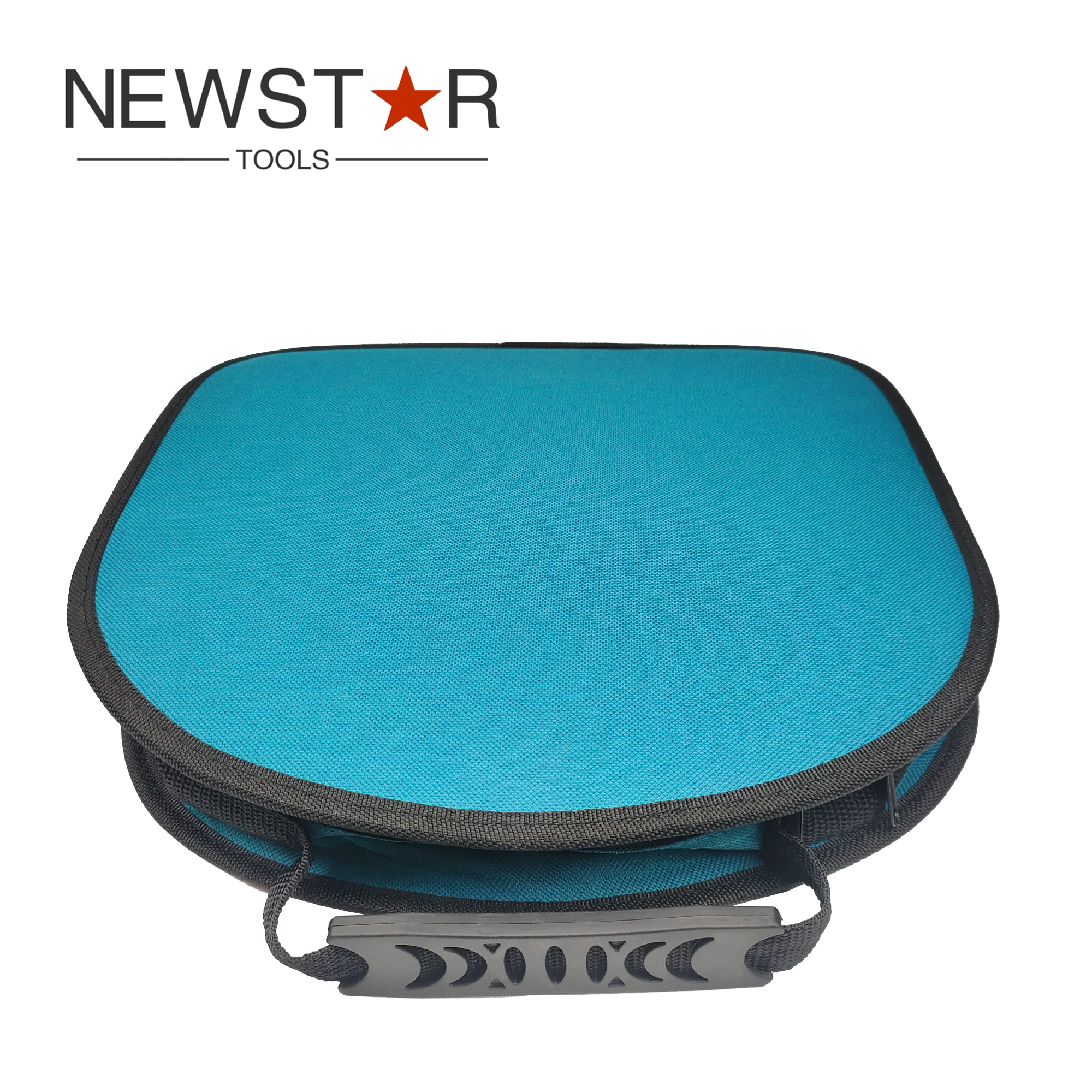
- Storage Dictates Utility: A portable home tool kit requires a rigid, well-organized case or a reinforced soft bag to prevent tool loss and ensure immediate accessibility during minor emergencies.
- Scalability: A basic household hand tool set should serve as a foundational layer, designed to integrate seamlessly with power tools (like a cordless drill) as homeowner competency increases.
Success Criteria for a Reliable Home Repair Tool Kit
A properly built kit should address 90% of common household tasks. This includes hanging drywall anchors, assembling flat-pack furniture, tightening cabinet hinges, and making basic plumbing adjustments under the sink. Instead of preparing for a major remodel, focus your inventory on immediate, high-frequency fixes. The goal is to handle the vast majority of domestic interruptions without needing to run to the hardware store. The remaining 10% of tasks—such as upgrading a main electrical breaker panel or rerouting copper water mains—fall outside the scope of everyday maintenance and require licensed professionals.
Ergonomics play a massive role in usability and safety. Handle materials directly impact your ability to apply torque safely. Tools featuring dual-material grips or TPR (Thermoplastic Rubber) reduce hand fatigue and prevent slippage during high-torque applications. A tool that slips out of your hand can damage the fixture, strip the fastener head, or cause physical injury to your knuckles. Hard plastic handles, while common in cheaper sets, become incredibly slick when exposed to sweat or household lubricants.
Standardization is another baseline requirement. Your wrenches and hex keys must include standard SAE and Metric measurements. Domestic fixtures often use SAE, while imported furniture heavily relies on Metric sizing. Missing one standard renders your kit useless for half the items in your home. You cannot force a metric hex key into an SAE setscrew without permanently rounding out the socket.
Establish a safety preparedness baseline before opening any toolbox. Know the threshold where a DIY fix becomes a safety hazard. A successful setup includes knowing your physical limitations and keeping appropriate personal protective equipment (PPE) readily available.
- Always wear ANSI-rated safety glasses when striking metal on metal or cutting wires.
- Keep a pair of nitrile-dipped work gloves to protect against sharp edges while maintaining tactile dexterity.
- Verify that power is completely shut off at the breaker before removing any electrical faceplates or switch covers.
- Locate and test the main water shut-off valve for your home before attempting any plumbing adjustments.
![Household Tool Set Organization and Layout]()
Pre-Assembled Kits vs. Custom-Built Tool Sets
When establishing your maintenance foundation, you must choose between buying a pre-configured package or building one from scratch. Each approach serves different user needs, storage constraints, and initial investment capabilities.
The Pre-Assembled Approach
Pre-assembled kits offer immediate deployment and a unified storage solution, typically housed in blow-molded plastic cases. They provide a cost-effective entry point for new renters or homeowners who currently own zero tools. However, they carry a high risk of "filler" items designed to artificially inflate the piece count. You will frequently see a "100-piece set" where 60 of those pieces are cheap driver bits and low-grade wall anchors. You may encounter inconsistent quality across tool types—such as excellent screwdrivers paired with poorly machined pliers that fail to grip properly. Upgrading individual pieces within custom-molded slots is also notoriously difficult, as a replacement tool rarely fits the original plastic cutout.
The Custom-Built Approach
Building a custom kit gives you complete control over tool quality and allows you to tailor the inventory to specific dwelling types. An apartment dweller needs different tools than someone maintaining a single-family home with a yard. This route allows for brand-mixing based on best-in-class categories—buying your pliers from one manufacturer and your screwdrivers from another. The downsides include a higher initial capital investment, the required separate purchase of a tool bag or box, and the demand for more research time to ensure no essential categories are missed.
| Approach | Primary Advantages | Primary Disadvantages | Best Suited For |
| Pre-Assembled Kits | Immediate deployment, unified storage, cost-effective entry. | Filler items, inconsistent quality, difficult to upgrade or replace lost items. | First-time renters, dorm rooms, secondary kits for the trunk of a car. |
| Custom-Built Sets | High quality control, tailored to specific home needs, brand mixing. | Higher initial cost, requires separate storage bag, time-intensive to compile. | Long-term homeowners, DIY enthusiasts, users upgrading from cheap kits. |
Core Components of a Basic Household Hand Tool Set
Fastening and Driving Tools
A multi-bit screwdriver is the workhorse of any basic household hand tool set. While ratcheting drivers offer speed, standard multi-bit drivers often provide better durability and clearance in tight spaces. Ensure the bits are made of hardened steel (Phillips, Flathead, Torx, Robertson) to prevent cam-out and stripping. A worn-out Phillips #2 bit will destroy screw heads, turning a five-minute job into an hour-long extraction process. Additionally, a folding or cased Hex Key (Allen) set in both Metric and SAE is mandatory for furniture assembly and adjusting setscrews on towel bars or door handles. Loose hex keys inevitably get lost; always opt for a set that keeps them bound together or securely organized in an indexed case.
Striking and Prying Tools
For striking tasks, a 16-ounce fiberglass or steel-handled claw hammer offers the optimal balance between driving nails and pulling them. Avoid cheap wooden handles, which are prone to splitting under heavy leverage when extracting stubborn nails. The 16-ounce weight is heavy enough to drive a framing nail but light enough to hang picture hooks without smashing the drywall. Pair this with a small 7-to-10-inch utility pry bar. This compact tool is excellent for removing baseboards, opening paint cans, and pulling stubborn nails without causing collateral damage to your walls. Using a screwdriver as a pry bar is a guaranteed way to snap the shaft or chip the tip.
Gripping, Turning, and Cutting Tools
An 8-inch or 10-inch adjustable wrench is vital, but it must have tight jaw tolerances to prevent rounding off plumbing fittings. A sloppy adjustable wrench will spread open under load, destroying the brass fittings under your sink. For gripping, you need a trio of pliers: slip-joint pliers for general gripping, needle-nose pliers for electrical work and retrieving dropped items in tight spaces, and groove-joint (water pump) pliers for gripping pipes and large nuts. Include dedicated diagonal cutters or heavy-duty wire cutters for clean wire snips and trimming thick zip-ties. Finally, a utility knife with a quick-change blade mechanism and onboard blade storage ensures you always have a sharp edge for breaking down boxes, scoring drywall, or cutting old caulk lines.
- Slip-Joint Pliers: Best for holding nuts while turning a bolt with a wrench.
- Needle-Nose Pliers: Essential for bending copper wire around electrical terminal screws.
- Groove-Joint Pliers: The primary tool for tightening or loosening PVC slip nuts on sink P-traps.
- Diagonal Cutters: Required for cutting heavy-gauge wire or trimming plastic anchors flush with the wall.
Measuring and Leveling Tools
Accurate measurements prevent wasted materials and crooked installations. A 16-foot to 25-foot tape measure with a minimum 1-inch blade width provides sufficient standout for solo measurements across rooms. A narrow, flimsy tape will collapse when extended past a few feet, making it impossible to measure a ceiling or a long wall without a second person. For alignment, a 9-inch magnetic torpedo level is critical. It allows you to hang pictures evenly, install floating shelves, and ensure appliances like washing machines are perfectly level to prevent violent vibration during spin cycles.
Utility, Illumination, and Specialty Essentials
High-lumen, hands-free illumination is essential. A reliable headlamp allows you to work safely under dark sinks, inside crawl spaces, or during power outages while keeping both hands on your tools. Holding a flashlight in your mouth is unsanitary and ineffective. For minor modifications, a compact hand saw easily handles trim cuts or PVC pipe modifications, while a basic wood chisel aids in door latch alignments or removing stubborn wooden obstructions inside door jambs.
Do not overlook fast-fix consumables. High-strength adhesives like super glue, two-part epoxy, and threadlocker quickly resolve non-mechanical breaks where fasteners cannot be used. Finally, the humble five-gallon bucket serves as a dual-purpose asset: it acts as a highly mobile carry-all for active projects and functions as a critical catch basin for sudden plumbing leaks when disassembling a sink drain.
Evaluating Quality and Value in Hand Operated Tool Kits
The longevity of a hand operated tool kit depends entirely on its metallurgy and manufacturing processes. Cheap carbon steel tools are prone to snapping under pressure and rusting rapidly in humid environments. Look for Chrome Vanadium (Cr-V) or drop-forged steel, which offers superior tensile strength and corrosion resistance. Poorly machined tools—such as adjustable wrenches with sloppy worms or pliers with misaligned jaws—will cause collateral damage to home fixtures and strip fasteners.
| Steel Type | Characteristics | Common Applications | Durability Rating |
| Basic Carbon Steel | Brittle, prone to rust, cheap to manufacture. | Low-end filler tools, disposable kits. | Low |
| Chrome Vanadium (Cr-V) | High tensile strength, excellent rust resistance, holds an edge well. | Wrenches, sockets, high-quality screwdrivers. | High |
| Chrome Molybdenum (Cr-Mo) | Impact resistant, flexes slightly before breaking, highly durable. | Impact sockets, heavy-duty striking tools. | Very High |
When evaluating value, analyze the real-world application of lifetime warranties. Hassle-free retail exchange programs allow you to walk into a store and swap a broken tool immediately. This is vastly superior to mail-in manufacturer warranties that require you to pay shipping and wait weeks for a replacement while your home repair remains unfinished. A tool is only as good as your ability to use it when a pipe is leaking or a door won't latch.
Scaling Up: Adding Power to the Portable Home Tool Kit
As your competency increases, your portable home tool kit must scale to handle larger projects. The first necessary upgrade is a 12V or 18V/20V cordless drill/driver. This tool drastically reduces the time required for mounting hardware, driving long screws into wall studs, and assembling large pieces of furniture. A 12V system is generally lighter and perfectly adequate for 95% of indoor household tasks, while an 18V/20V system provides the torque needed for exterior deck repairs or driving lag bolts.
A drill requires a dedicated, impact-rated bit set. Do not use your hand-tool bits in a power drill, as they are not tempered for high-speed rotation and will shatter under high RPMs, potentially sending metal shrapnel into your eyes. Invest in a small case of impact-rated Phillips, Torx, and square-drive bits, along with a magnetic bit holder to prevent dropping fasteners.
To make your tools actionable, stock a supplementary hardware organizer. Keep a compartmentalized plastic box filled with drywall anchors, varied wood screws, picture hanging wire, and assorted washers. Having the right tool is useless if you lack the correct fastener to complete the job. Relying on the cheap, brittle screws included with flat-pack furniture or basic shelving brackets often leads to snapped screw heads buried in your drywall.
Implementation Risks and Mitigation Strategies
Using the wrong size bit or low-quality metal leads to stripped fasteners and damaged fixtures. Mitigate this by investing in precision-machined bits and taking the time to identify exact fastener sizes before applying torque. If a screwdriver bit wiggles loosely inside the screw head, it is the wrong size. Stop immediately and find the correct fit.
Tool degradation and rust occur when tools are improperly stored in damp garages, basements, or under leaky sinks. Utilize silica gel packets in your toolboxes to absorb ambient moisture. Apply a light coat of machine oil to the hinges of your pliers and the bare metal of your hammer head to displace moisture and prevent surface oxidation.
The "junk drawer" effect happens when tools lack dedicated storage, leading to lost components and frustration during emergencies. Mandate a strict "return to case" policy. Utilize compartmentalized tool bags with high-visibility interiors (like bright yellow or red fabric) so missing tools are immediately obvious before you zip the bag shut.
Beware of DIY scope creep. Undertaking projects beyond your skill level can lead to physical injury or severe property damage. Always shut off main power and water lines before attempting relevant repairs. If a plumbing valve is completely seized, or if you encounter aluminum wiring in an older home, stop working and call a licensed professional. Pushing through resistance often results in broken pipes behind walls or electrical shorts.
Conclusion
- Audit your current living space to identify the most frequent maintenance tasks you encounter, noting any specific fastener types unique to your fixtures.
- Discard or donate low-quality filler tools that clutter your workspace, specifically targeting brittle carbon steel bits and slip-joint pliers with worn teeth.
- Invest in a durable, high-visibility storage solution, such as a reinforced canvas tool bag with internal pockets, to ensure your tools are immediately accessible during an emergency.
- Upgrade your primary fastening and gripping tools to Cr-V steel to protect your home's hardware from stripping and damage during high-torque applications.
- Build a small, dedicated hardware organizer with high-quality drywall anchors and wood screws so you are always ready to execute a repair without a trip to the store.
FAQ
Q: What is the most important tool for a beginner homeowner?
A: A high-quality, multi-bit screwdriver with hardened steel bits. It handles the vast majority of everyday tasks, from tightening cabinet hinges to assembling furniture and replacing electrical faceplates.
Q: Why should I avoid 200-piece tool sets?
A: Large sets often inflate their piece count with cheap zip ties, redundant driver bits, and low-grade fasteners. The actual tools are usually made of brittle carbon steel that breaks easily under torque.
Q: How do I stop my hand tools from rusting?
A: Store them in a dry environment inside a closed case or bag. Add silica gel packets to the toolbox to absorb ambient moisture, and wipe down metal joints with light machine oil periodically.
Q: Do I need both Metric and SAE hex keys?
A: Yes. Domestic appliances and plumbing fixtures often use SAE measurements, while imported flat-pack furniture and bicycles almost exclusively use Metric sizing. You need both to maintain a modern home.
Q: When should I upgrade from hand tools to a power drill?
A: Upgrade to a cordless drill when you begin tackling projects that require driving long screws into wood studs, mounting heavy shelving, or assembling large volumes of furniture, as hand-driving causes severe fatigue.