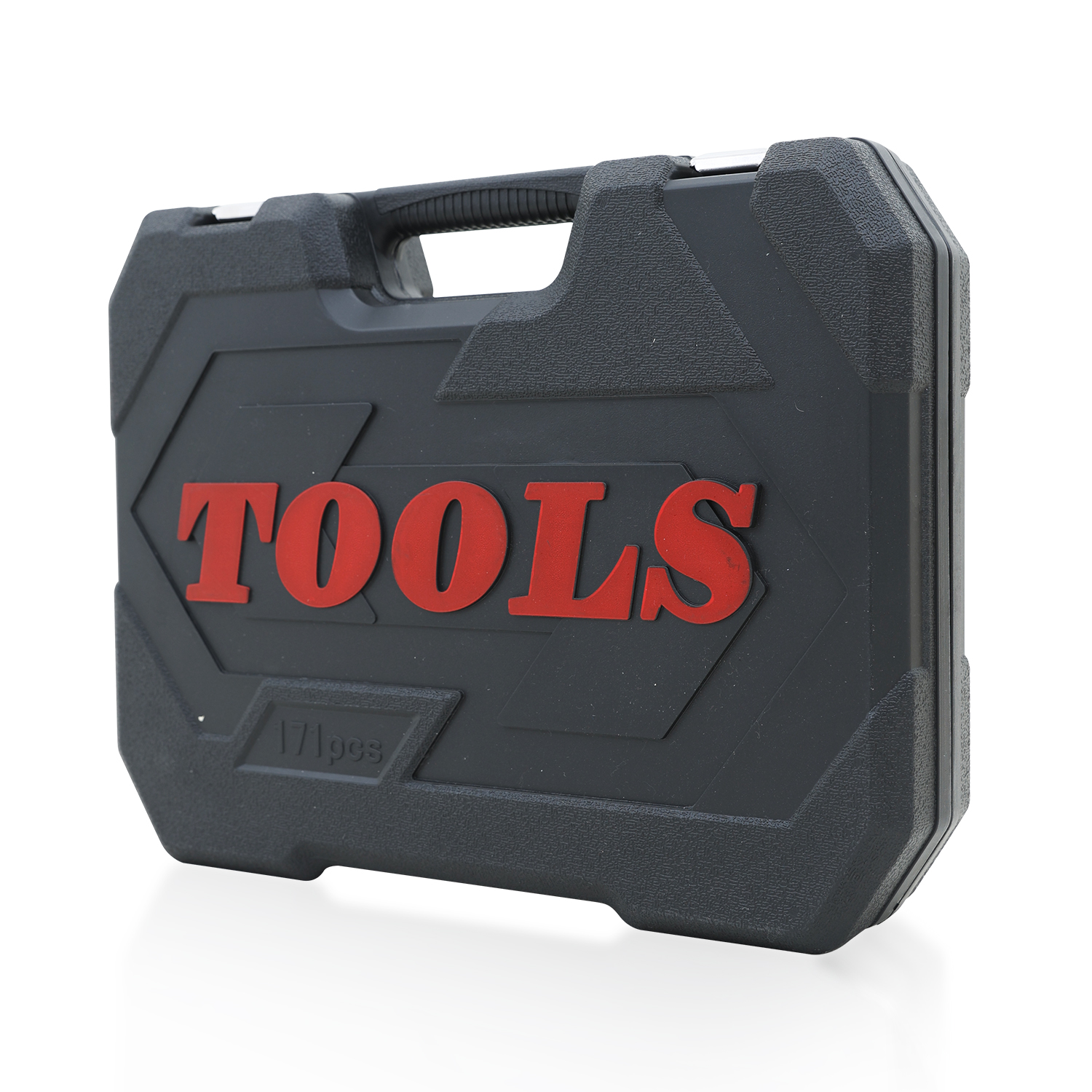
The hidden cost of tool degradation goes far beyond the price of replacement. Premature rust and corrosion compromise safety, reduce efficiency, and destroy the long-term value of professional-grade hand tools. Exposure to moisture, automotive fluids, and fluctuating temperatures inevitably attacks bare steel. In complex tools, corrosion not only degrades the exterior but seizes internal ratcheting mechanisms, leading to catastrophic tool failure during high-torque applications. Mechanics and field technicians know that a seized gear can halt an entire project, turning a simple bolt extraction into a multi-hour ordeal. To make an informed purchasing decision, buyers must look beyond piece counts. Evaluating a Socket Wrench Set requires understanding its metallurgical composition, factory-applied protective coatings, housing design, and required lifecycle maintenance. You need tools that withstand daily abuse in harsh environments without degrading.
- Material Baseline: Chrome Vanadium (Cr-V) steel offers high baseline rust resistance, but it is not entirely rust-proof without proper secondary coatings and finishing.
- Coating Trade-offs: Chrome plating provides excellent surface protection and easy cleaning, while black oxide finishes offer superior dimensional accuracy but require more frequent oiling.
- Storage is Active Protection: A high-quality portable socket set relies on weather-resistant housings, organized layouts that prevent coating chips, and moisture-displacing storage designs to prevent environmental exposure.
- Maintenance is Mandatory: Even premium tools require active mitigation—such as immediate drying protocols, silicone sprays, routine wipe-downs, and proper electronic care—to maintain their protective barriers over time.
The Mechanics of Corrosion in a Socket Wrench Set
Defining what constitutes a corrosion-resistant tool requires looking at real-world environments. Garages, industrial sites, marine environments, and mobile field service routes all expose tools to unique hazards. When rain, humidity, or corrosive solvents contact bare steel, oxidation begins. Micro-abrasions from daily use accelerate this chemical process by exposing untreated metal beneath the surface finish. Every time a socket scrapes against a rusted bolt, tiny scratches form on the protective plating, creating entry points for moisture.
Internal components like cams, pawls, springs, and teeth are highly vulnerable. Rust on a fine-toothed gear, such as a 72-tooth or 90-tooth system, leads to rapid wear. Slipping teeth can cause catastrophic failure of torque transfer. Internal corrosion is far more dangerous than surface rust because it remains hidden until the tool fails under load. A mechanic might pick up a wrench that looks pristine on the outside, only to have the internal pawl shear off because moisture was trapped inside the head.
| Environment | Primary Corrosion Threat | Impact on Tool Integrity |
| Automotive Garage | Brake fluid, coolant, fluctuating humidity | Degrades chrome plating, causes surface pitting |
| Marine / Coastal | Saltwater spray, high ambient moisture | Rapid oxidation of bare steel, seizing of internal gears |
| Mobile Field Service | Rain exposure, condensation in truck beds | Moisture trapped in cases leads to widespread rust |
| Heavy Industrial | Chemical solvents, abrasive dust | Micro-abrasions strip protective coatings quickly |
Factory-Level Protection: Evaluating Materials and Coatings
Manufacturers use specific methods to shield a ratchet wrench set from oxidation. Chrome Vanadium (Cr-V) steel is the standard for hand tools due to its inherent corrosion resistance. Chrome Molybdenum (Cr-Mo) steel is typically reserved for impact tools. While these alloying elements delay rust, they do not eliminate it entirely. The base metal must be paired with a robust surface finish to survive daily use.
Chrome plating offers high visibility, wipes clean easily, and strongly resists moisture. However, it is prone to flaking if subjected to heavy impact or metal-on-metal friction. Black oxide finishes penetrate the metal, holding protective oil well and preventing glare. This finish is common in industrial and high-impact environments but requires strict lubrication schedules to prevent rust. If you neglect a black oxide tool, it will develop surface rust rapidly.
Avoid manufacturing flaws like uneven plating thickness, unpolished recess areas inside sockets, and rough surface textures. These defects create micro-pockets where moisture and salt can settle. Poorly machined tolerances also accelerate wear on protective finishes. When sockets fit loosely on the anvil, the resulting slop chips the chrome plating.
Precision calibration tools, like a torque wrench set, utilize specialized anodized aluminum or nickel-chrome plating. These coatings protect sensitive internal springs and digital components without altering dimensional tolerances. Thick chrome plating on a precision scale can throw off the calibration, so manufacturers use thinner, highly controlled deposition methods.
![Socket Wrench Set Corrosion Protection]()
The Role of Storage: Housings and Portable Socket Sets
The physical storage environment acts as the primary defense against atmospheric moisture. Standard blow-molded housings offer basic water ingress prevention. However, closed-cell EVA foam trays in tool chests provide superior protection. Unlike cheaper open-cell foams, closed-cell EVA resists absorbing oils, water, and chemicals. If you spill oil on open-cell foam, it acts like a sponge, holding the corrosive liquid against your tools indefinitely.
A high-quality housing features organized, secure slots that prevent tools from banging together. This prevents chipping the protective chrome plating and exposing raw steel to rust. Sealed cases using rubber O-rings block moisture, while ventilated designs prevent condensation buildup in fluctuating climates. You have to match the case design to your specific climate.
For mobile technicians, moisture control in a portable socket set is critical. Integrating silica gel desiccants and vapor corrosion inhibitor (VCI) emitters inside the case neutralizes moisture during transport. Throwing a few desiccant packs into your tool case is one of the cheapest and most effective ways to fight rust on the road.
Active Maintenance: Preventing Rust Post-Purchase
No factory coating is permanent. Operational protocols are required to maintain tool integrity. If tools get caught in the rain, immediate action is necessary. Leaving wet tools in a closed box guarantees a rusted mess by the next morning.
- Immediate Water Displacement: Spray wet tools with a water-displacing solvent like WD-40 to drive moisture out of internal recess areas.
- Drying & Cleaning: Completely dry both the tools and the housing to ensure no moisture is trapped in the storage environment.
- Re-lubrication: Apply a thin layer of machine oil or silicone spray to restore the protective barrier.
- Internal Inspection: Open the ratchet head to check for water ingress and replace the grease if it looks milky.
Apply thin layers of oil or silicone spray regularly to protect bare metal. Disassemble and grease the internal ratchet head mechanism to protect the teeth from seizing due to hidden moisture. For digital torque wrenches or powered ratchets caught in wet conditions, immediately remove the batteries to halt galvanic corrosion of the internal circuitry. Water and electricity create a highly corrosive environment that will destroy a circuit board in hours.
Trade-Offs: Cost vs. Corrosion Resistance in a Ratchet Wrench Set
Balancing upfront procurement costs against expected lifespan and maintenance requirements is essential. Investing in fully polished, multi-layer nickel-chrome plating yields long-term benefits in high-humidity or marine environments compared to budget matte finishes. Cheap finishes look fine on the shelf but degrade rapidly after a few months of real work.
Factor in the labor cost of routine maintenance, such as oiling and cleaning. Compare this to the cost of replacing seized, rusted, or structurally compromised tools. Quality coatings reduce overall maintenance labor and extend tool life. Spending more on a well-plated set means you spend less time scrubbing rust off your sockets on a Sunday afternoon.
Conclusion
- Review the specific plating processes of shortlisted brands before purchasing to ensure they match your working environment.
- Verify the availability of internal rebuild kits for ratchets so you can replace rusted pawls instead of buying a whole new tool.
- Procure appropriate rust-inhibiting lubricants alongside the tool purchase to establish an immediate maintenance routine.
- Add silica gel packets or VCI emitters to your tool storage cases immediately upon delivery.
FAQ
Q: Is Chrome Vanadium steel completely rust-proof?
A: No. While the chromium and vanadium alloys significantly increase resistance to oxidation, Cr-V steel can still rust if the protective plating is scratched or if exposed to moisture without proper lubrication.
Q: How do I clean a ratchet wrench set that got left in the rain?
A: Immediately dry the tools with a clean rag, spray them with a water-displacing solvent (like WD-40), wipe them down again, clean out the storage housing, and apply a thin coat of machine oil or silicone spray to seal the metal.
Q: What is the best way to store a portable socket set to prevent corrosion?
A: Store the set in a dry, temperature-controlled environment. Use a sealed blow-molded case with an O-ring or a closed-cell EVA foam tray, and place silica gel packets or a VCI emitter inside the case to absorb ambient moisture.
Q: Should I oil the inside of my ratchet mechanism?
A: Yes. Periodically opening the ratchet head to clean out old, contaminated grease and applying a fresh, light synthetic grease protects the internal teeth and cam from seizing due to hidden moisture.
Q: How do I protect an electronic torque wrench set from moisture damage?
A: Keep it in its protective case when not in use. If it gets wet, immediately remove the batteries to prevent galvanic corrosion of the contacts and circuit board, and allow it to dry completely in a low-humidity environment before re-inserting batteries.