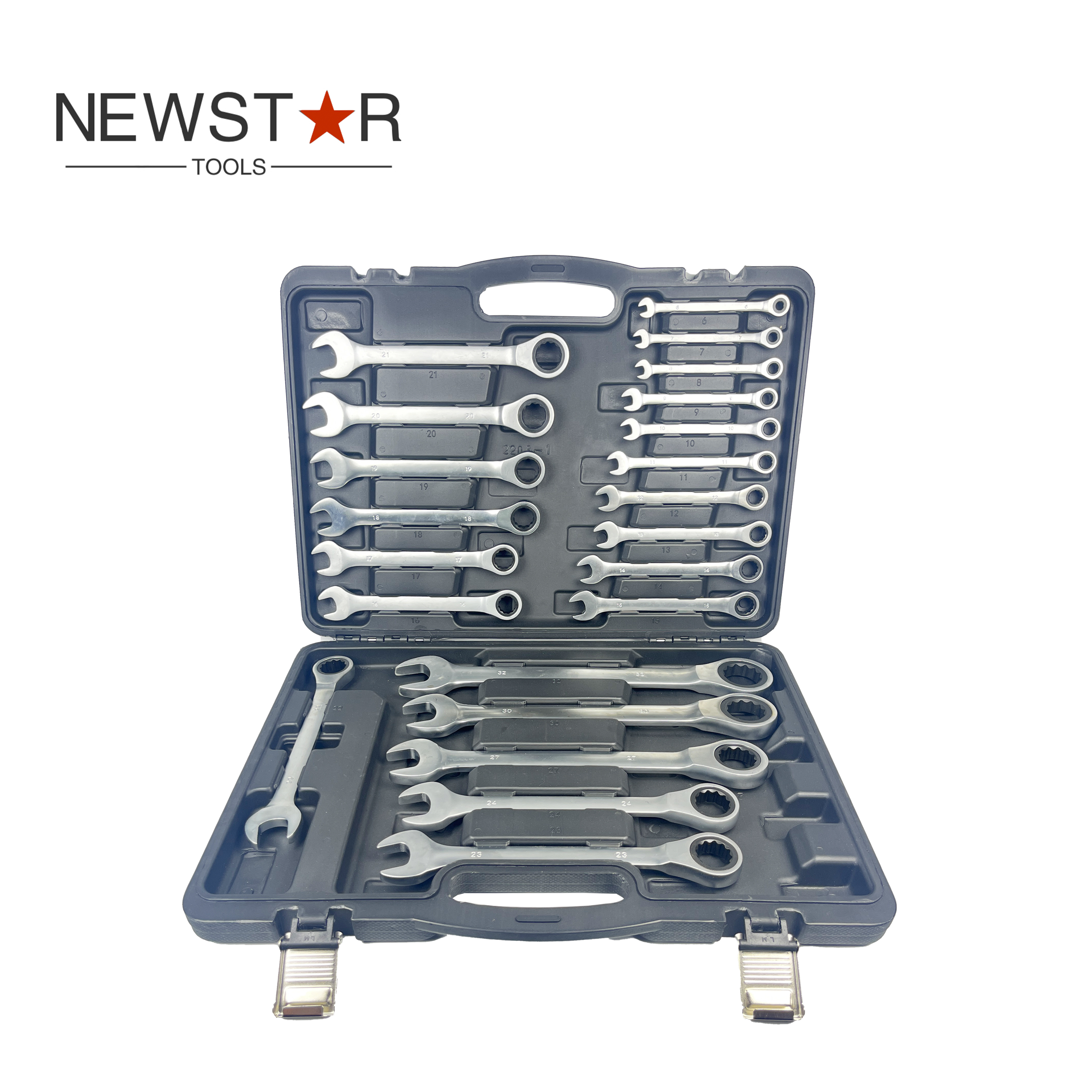
Improper tooling acts as more than just a minor annoyance on the factory floor. It functions as a primary driver of assembly line bottlenecks, severe fastener damage, and compromised workplace safety. Consumer-grade hand tools often look appealing for basic tasks. However, they fail utterly against the rigorous demands of industrial machinery assembly. Heavy industrial environments require strict tolerances and absolute torque accuracy. You cannot compromise on tool quality when securing critical components. This comprehensive guide breaks down the exact spanner applications required for heavy assembly tasks. We will explore how you can effectively evaluate industrial toolsets for your specific production needs. You will learn how to avoid costly procurement mistakes when outfitting your assembly technicians. Using the wrong tool jeopardizes both your schedule and your workforce. We want you to feel confident equipping your teams properly. Read on to master industrial tool selection and protect your valuable hardware.
Key Takeaways
Application matching is critical: Using standard combination wrenches for bearing adjustments or high-torque structural bolts leads to tool failure and safety hazards.
Material dictates longevity: Industrial applications require high-grade alloys (e.g., Chrome Molybdenum for impact/striking, Chrome Vanadium for continuous hand use) compliant with DIN/ASME standards.
Cross-compatibility has limits: While a high-end auto repair spanner set overlaps with light machinery assembly, heavy equipment requires specialized striking, hook, and pin spanners.
The Business Impact of Tool Selection in Assembly Workflows
Subpar hand tools create hidden costs in production environments. They induce premature worker fatigue during long shifts. Technicians suffer micro-delays on every single bolt due to poor tool fitment. These tiny delays accumulate rapidly across an entire assembly line. Striped fasteners completely halt assembly workflows. Technicians must stop production to extract damaged bolts. This process wastes valuable man-hours and requires expensive replacement hardware. You might not notice the immediate financial drain of cheap tools. Yet, they silently erode your daily production quotas.
Machinery assembly demands exact tool-to-fastener fitment. A precision spanner grips the bolt flats securely. It ensures maximum torque transfer without rounding the edges. Inferior tools often bite the corners instead of the flats. This flaw inevitably rounds the bolt head under heavy pressure. Exact tolerances guarantee optimal torque application. They maintain structural integrity across thousands of repetitive fastening cycles. You avoid damaging expensive machine components when using properly calibrated tools.
Safety remains paramount during heavy machinery assembly. Tool slippage poses severe hazards to operators. Wrenches slipping under high loads cause devastating hand injuries. They also risk dropping heavy components unexpectedly. We highly recommend standardizing your tool cribs. Ensure all tools meet strict ISO or ASME specifications. Compliance guarantees metallurgical strength and dimensional accuracy. It protects your workforce and your product simultaneously.
Core Spanner Applications in Machinery Assembly
Application Guide for Heavy Assembly Fastening
Application Area
Recommended Tool
Key Characteristics
Heavy Frame Bolts
Slogging Spanners
Short, thick handle designed for sledgehammer strikes.
Rotating Shafts
Hook & Pin Spanners
Curved profile to engage retaining rings securely.
Hydraulic Fittings
Combination Wrenches
Dual-head design for rapid fastening in accessible areas.
Securing large-diameter bolts on heavy machinery frames requires massive torque. Standard hand tools simply cannot generate enough force for these applications. You must use slogging or striking spanners for this specific task. Manufacturers design these tools specifically for brutal industrial environments. They feature short, incredibly thick handles. Technicians strike these handles directly with heavy sledgehammers. This action delivers sudden, high-torque impacts to the fastener.
This striking method proves highly effective for both tightening and loosening. It easily breaks loose seized structural fasteners caused by rust or overtightening. Technicians rely on them when assembling crane booms, press frames, and turbine housings. You must never use standard wrenches for striking applications. Standard tools will shatter upon impact, creating dangerous shrapnel. Striking spanners utilize specialized alloys to absorb kinetic energy safely.
Bearing and Collar Adjustments (Hook & Pin Spanners)
Rotating shafts require specialized retention hardware. You often encounter retaining rings, lock nuts, and bearings on these assemblies. Standard hex-head wrenches cannot grip these circular components. Attempting to use pliers or grips will severely damage the delicate hardware. Technicians must use dedicated hook and pin spanners for these adjustments. These tools feature a distinct curved radius.
The tool radius matches the exact circumference of the locking collar. A specific pin or hook engages the slots milled into the nut. This engagement provides a secure grip for applying precise torque. They prove essential for preventing damage to specialized circular machine components. You will frequently use them on spindle assemblies, hydraulic cylinder glands, and bearing housings. Proper engagement ensures the collar locks tightly without deforming the outer ring.
General Assembly & Fluid Lines (Workshop Combination Wrench Set)
Machinery assembly also involves countless routine fastening tasks. Technicians constantly install standard hex bolts, mounting brackets, and hydraulic fittings. These tasks demand high-speed, repetitive fastening in highly accessible areas. Investing in a comprehensive workshop combination wrench set becomes absolutely critical here. These sets provide both open-end and ring-end (box-end) profiles.
The open end allows for rapid sliding onto side-access fasteners. This proves invaluable when working on continuous fluid lines or long threaded rods. The ring end provides secure, 12-point contact for final torque application. It surrounds the fastener entirely to prevent slippage. Technicians utilize these sets for assembling control panels, routing pneumatic hoses, and securing protective guards. Quality sets cover a vast range of metric and imperial sizes. They form the backbone of any professional assembly technician's daily toolkit.
Automotive vs. Heavy Machinery: Where the Tooling Overlaps
Automotive and industrial machinery assembly share several tooling requirements. You will find significant overlap in light-to-medium manufacturing contexts. Facilities assembling small engines, conveyor motors, or pump housings often bridge this gap. In these specific scenarios, a premium car repair wrench set provides excellent utility. These sets usually feature high-quality Chrome Vanadium steel construction. They offer sufficient durability for securing standard M8 to M20 bolts. Technicians appreciate their ergonomic designs and precise broaching. They handle light industrial tasks just as effectively as automotive repairs.
However, heavy machinery assembly introduces forces foreign to automotive environments. You must recognize exactly where automotive toolsets fall short. Heavy equipment demands specialized tooling beyond standard consumer catalogs. We have identified several key divergence points where automotive tools fail.
Size Limitations: Automotive sets rarely include sizes above 32mm. Heavy machinery frequently utilizes fasteners exceeding 50mm.
Impact Resistance: Automotive wrenches cannot handle sledgehammer strikes. They will fracture under heavy shock loads.
Specialized Configurations: Vehicles rarely utilize massive threaded locking collars. Therefore, automotive sets omit the large hook and pin spanners required for heavy machinery.
Leverage Requirements: Industrial structural bolts require extreme leverage. Automotive tools lack the necessary handle length for manual heavy torque application.
We strongly recommend against forcing automotive toolsets into heavy industrial applications. Facility managers sometimes attempt this to save initial procurement costs. This strategy consistently backfires on the production floor. The resulting tool degradation negates any perceived financial savings. Broken tools cause immediate workflow stoppages. They also create severe safety hazards for your operators. Always equip your heavy assembly stations with purpose-built industrial tooling.
Evaluation Criteria for Industrial-Grade Spanners
Evaluating industrial hand tools requires a strict focus on material science and engineering tolerances. Visual appearance means very little in a heavy manufacturing environment. You must scrutinize the exact specifications provided by the manufacturer. High-quality tools prevent accidents and ensure consistent assembly standards. We advise focusing on three primary evaluation criteria.
Metallurgical Properties Comparison Chart
Alloy Type
Primary Use Case
Impact Resistance
Wear Resistance
Chrome Vanadium (Cr-V)
Continuous hand assembly
Moderate
Very High
Chrome Molybdenum (Cr-Mo)
Slogging and impact tools
Extremely High
High
Carbon Steel
Light duty/disposable tools
Low
Low
Steel composition directly dictates the tool's performance and lifespan. Drop-forged Chrome Vanadium (Cr-V) represents the gold standard for standard hand tools. It provides an excellent balance of hardness and everyday wear resistance. It proves ideal for standard combination and box-end wrenches. However, Cr-V can become brittle under extreme shock loads. For structural fastening, you must require Chrome Molybdenum (Cr-Mo). Manufacturers use Cr-Mo for striking and impact spanners. This alloy flexes slightly under extreme stress, preventing catastrophic shattering.
Verify DIN/ASME Certification: Ensure the manufacturer explicitly lists compliance with standards like DIN 3113 or ASME B107.100.
Examine Broaching Quality: Look for sharply machined internal corners on the ring end. Sloppy broaching causes fastener rounding.
Check Jaw Thickness: The open-end jaws must feature sufficient thickness to prevent splaying under maximum torque.
Precision machining tolerances separate professional tools from consumer grade hardware. Tight tolerances prevent slipping and dangerous "knuckle-busting" incidents. A precise fit ensures the torque applies evenly across the fastener's surface. Furthermore, assess the tool's ergonomics and exterior finish. Mirror-polished tools wipe clean easily but become slippery in oily environments. Matte or satin finishes provide superior grip when hands become coated in hydraulic fluid. Evaluate the beam thickness carefully. Thicker beams distribute pressure evenly across the palm, reducing operator fatigue during high-repetition tasks.
Implementation Risks & Shortlisting Logic
Introducing new tooling into complex machinery assembly carries distinct operational risks. You must actively mitigate these risks during the procurement process. Foreign Object Debris (FOD) represents a massive threat in heavy manufacturing. A dropped tool can destroy a turbine or jam a massive gearbox. If your operators work on elevated platforms, tool dropping poses a lethal hazard. We suggest looking for spanners featuring built-in tethering points. Lanyard-ready tools prevent accidental drops and strictly control FOD risks within critical assemblies.
You must also avoid the temptation of purchasing massive, low-cost tool assortments. Vendors often pad these bundles with rarely used sizes to inflate the perceived value. These "filler" sets clutter tool chests and confuse technicians. Operators waste time searching for the correct size among dozens of useless pieces. Instead, focus your budget on the specific sizes your machinery actually requires. Precision beats volume in industrial tool cribs.
Advise your engineering and procurement teams to conduct a thorough hardware audit. Document your most common assembly fastener sizes and their specific torque requirements. Use this data to shortlist vendors who offer modular, warranty-backed sets. Tailor these sets to your exact operational specifications. Modular systems allow you to replace single heavy-use tools without repurchasing entire sets. This strategic shortlisting ensures every tool on the floor serves a distinct, necessary purpose.
Conclusion
Standardizing the right spanner for the right application directly correlates to assembly line efficiency. Proper tool selection protects expensive hardware from rounding and thread damage. More importantly, purpose-built industrial tools safeguard your workers from severe slippage injuries. Standardizing alloys and tolerances elevates your entire production quality. We encourage procurement and floor managers to review their current tool failure rates immediately. Audit your assembly stations and identify areas relying on undersized or inadequate hand tools. Upgrade your core production stations with application-specific industrial sets to ensure long-term operational success.
FAQ
Q: What is the difference between a spanner and a wrench?
A: The difference primarily comes down to regional terminology. In the UK and Commonwealth nations, professionals prefer the term "spanner." In the US, the industry prefers "wrench." Industrial catalogs often use them interchangeably. They refer to the exact same functional tool used for gripping and turning fasteners.
Q: Are striking spanners safe for all heavy machinery bolts?
A: No. Striking spanners are designed exclusively for robust, non-calibrated structural bolts. They deliver sudden, unmeasured kinetic energy. You should never use them on calibrated, torque-sensitive components. Precision machine assemblies require calibrated torque wrenches to prevent crushing gaskets or stretching critical bolts.
Q: How often should a workshop combination wrench set be replaced?
A: You should replace them based on visual inspection rather than a strict timeline. Tool wear depends entirely on usage intensity. Inspect them regularly for jaw splaying on the open end. Look for rounding or micro-cracks on the ring end. Replace any tool showing these signs immediately to ensure safety.